Brandon TMS Clinic: Expert Transcranial Magnetic Stimulation Therapy for Depression and Anxiety Treatment

Transcranial Magnetic Stimulation (TMS) therapy is a groundbreaking treatment for individuals suffering from depression and anxiety. This non-invasive procedure utilizes magnetic pulses to stimulate specific areas of the brain, promoting improved mood and mental health. At the Brandon TMS Clinic, patients can expect a comprehensive approach to mental health care, focusing on the unique needs of each individual. This article will explore the mechanisms of TMS therapy, its benefits compared to traditional medications, eligibility criteria, and how to schedule a consultation. Additionally, we will discuss the costs associated with TMS therapy and patient experiences at the clinic.
What is Transcranial Magnetic Stimulation Therapy and How Does It Work?
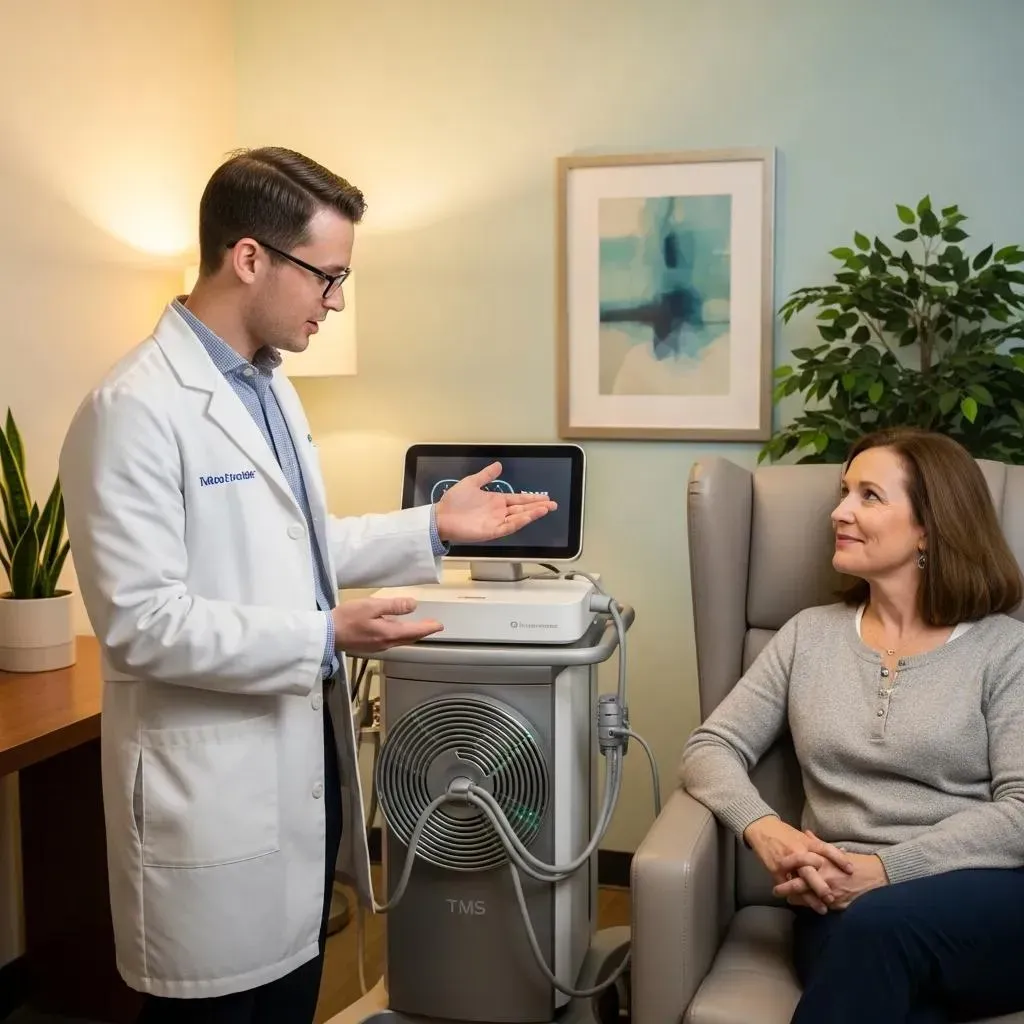
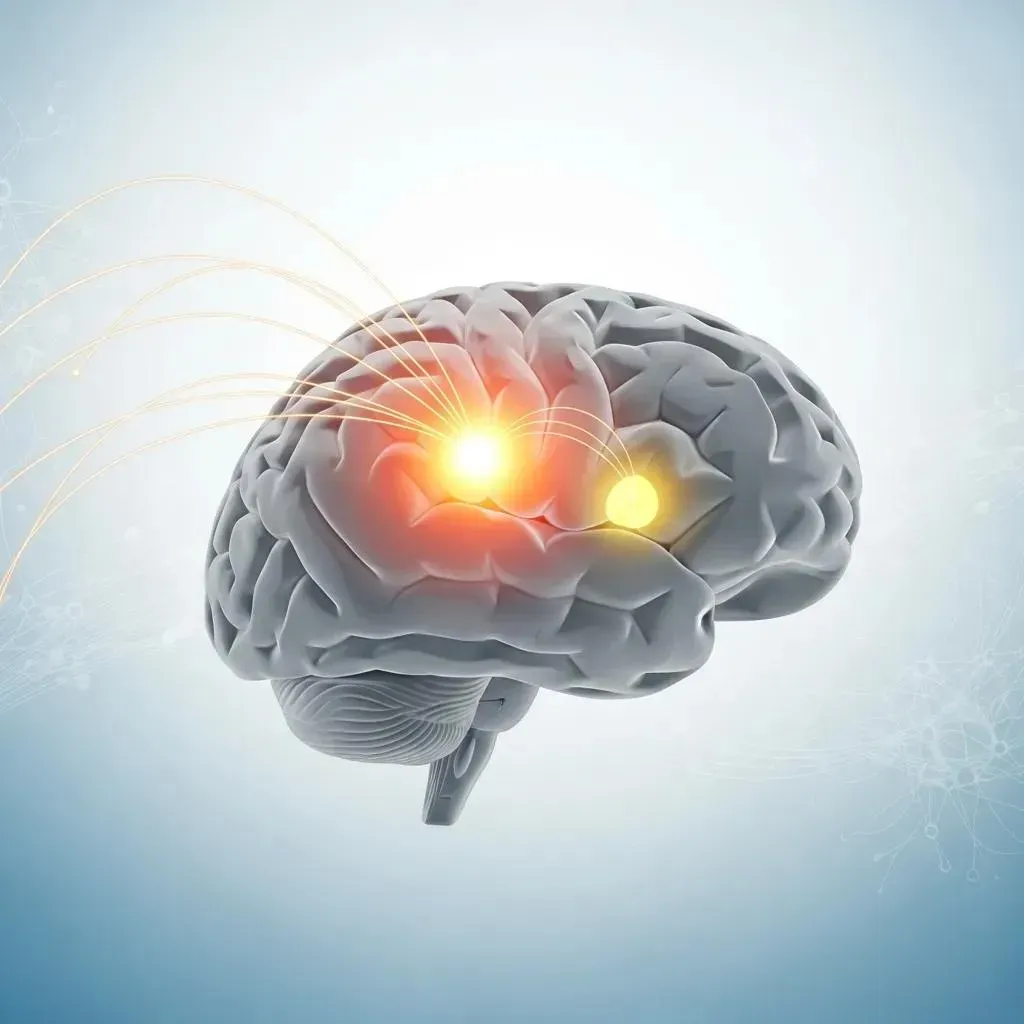
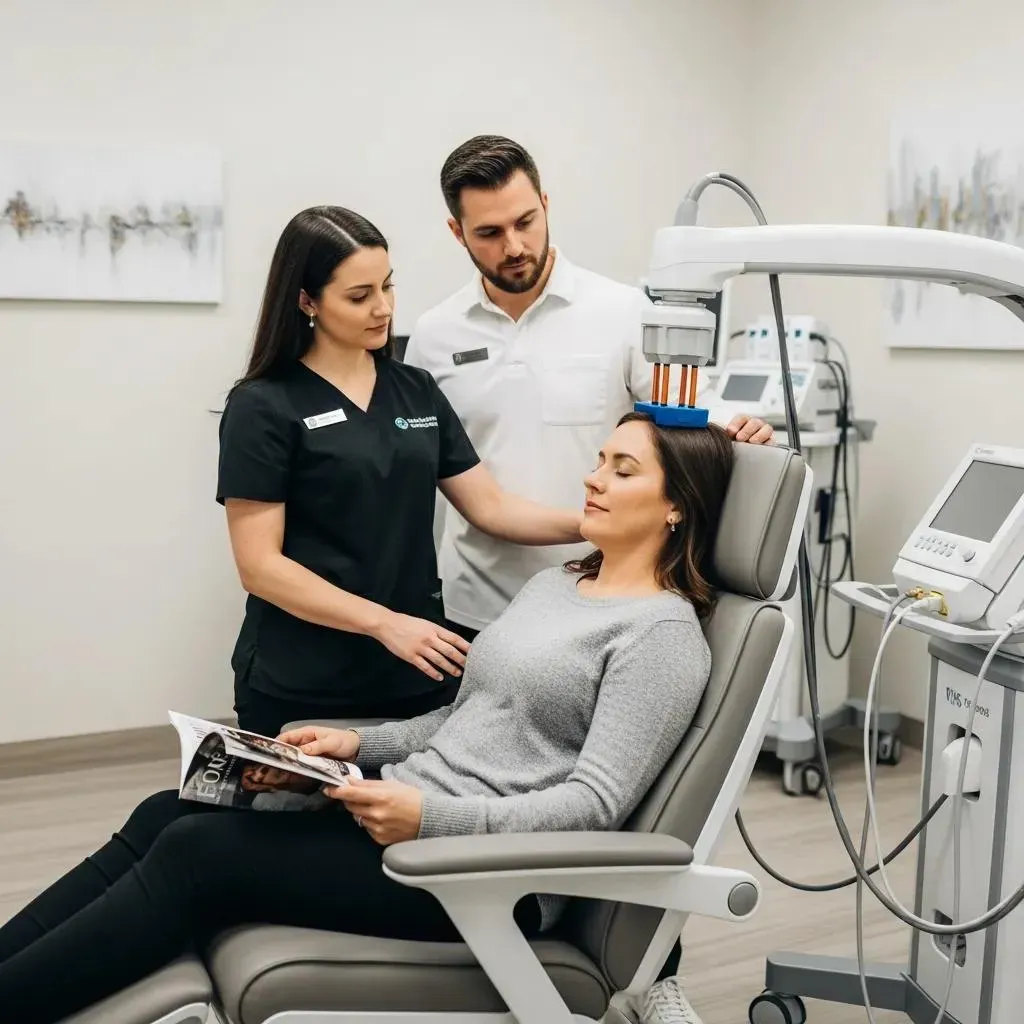
Transcranial Magnetic Stimulation (TMS) therapy is a non-invasive treatment that uses magnetic fields to stimulate nerve cells in the brain. This innovative approach targets areas associated with mood regulation, particularly in patients suffering from depression and anxiety. By delivering magnetic pulses, TMS therapy enhances neural activity, which can lead to significant improvements in mood and overall mental health. Patients typically experience minimal discomfort during the procedure, making it a viable alternative to traditional treatments.
Further research underscores TMS as a non-invasive technique that effectively intervenes with cortical function, particularly for individuals with treatment-refractory major depression.
Non-Invasive TMS: Brain Stimulation for Refractory Depression
Transcranial magnetic stimulation (TMS) is a relatively noninvasive technique to interfere with the function of small cortical areas through currents induced by alternating magnetic fields emanating from a handheld coil placed directly above the targeted area. This technique has clear effects on a whole range of measures of brain function and has become an importantresearch toolin neuropsychiatry. More recently, TMS has been studied in psychiatry mainly to assess its putativetherapeutic effectsin treatment refractory major depression.
Efficacy of repetitive transcranial magnetic stimulation (rTMS) in the treatment of affective disorders, TE Schlaepfer, 2003
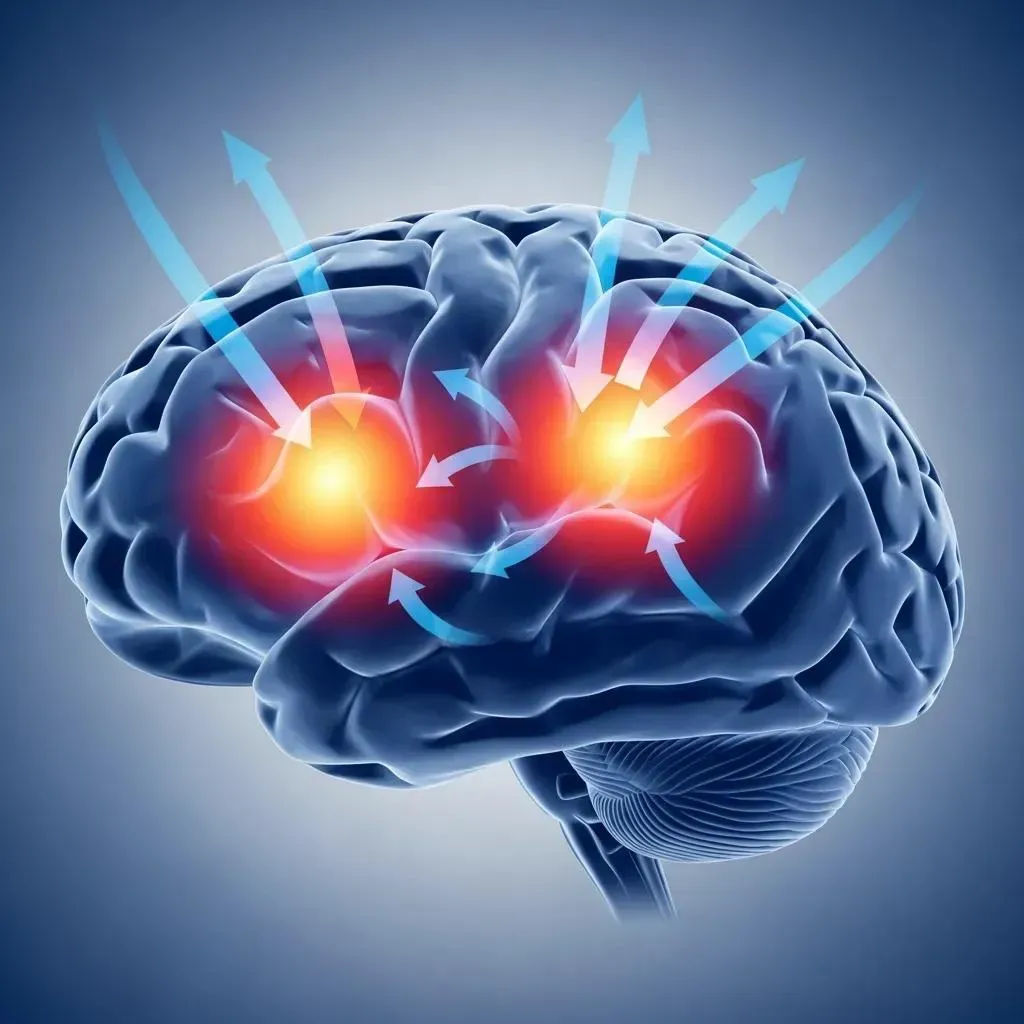
How Does TMS Therapy Stimulate Brain Regions to Improve Mood?

TMS therapy specifically targets brain regions that are crucial for mood regulation, such as the prefrontal cortex. The magnetic pulses delivered during treatment stimulate these areas, increasing neural activity and promoting the release of neurotransmitters like serotonin and dopamine. This stimulation can help alleviate symptoms of depression and anxiety, leading to improved emotional well-being. Understanding how TMS affects these brain regions is essential for appreciating its effectiveness as a treatment option.
While the precise neurobiological mechanisms are still being intensively investigated, studies confirm the clinical efficacy of rTMS as a promising strategy for treatment-resistant depression.
TMS for Depression: Neurobiological Mechanisms & Efficacy
Depression is one of the most prevalent mental illnesses worldwide and a leading cause of disability, especially in the setting of treatment resistance. In recent years, repetitive transcranial magnetic stimulation (rTMS) has emerged as a promising alternative strategy for treatment-resistant depression and its clinical efficacy has been investigated intensively across the world. However, the underlying neurobiological mechanisms of the antidepressant effect of rTMS are still not fully understood.
Neurobiological mechanisms of repetitive transcranial magnetic stimulation of the dorsolateral prefrontal cortex in depression: a systematic review, Y Noda, 2015
What Are the Benefits of TMS Compared to Medication?
TMS therapy offers several advantages over traditional medication for treating depression and anxiety:
- Non-invasive Nature: Unlike medications that require ingestion, TMS is a non-invasive procedure that does not involve surgery or anesthesia.
- Fewer Side Effects: Patients often experience fewer side effects with TMS compared to antidepressant medications, which can include weight gain, sexual dysfunction, and fatigue.
- Quicker Relief: Many patients report faster improvements in mood with TMS therapy, often within a few weeks of starting treatment.
These benefits make TMS an appealing option for individuals seeking effective mental health treatment without the drawbacks associated with medication.
Who is Eligible for TMS Therapy at Brandon TMS Clinic?
Eligibility for TMS therapy at the Brandon TMS Clinic typically includes individuals diagnosed with major depressive disorder or anxiety disorders who have not responded adequately to traditional treatments. Specific criteria may include:
- A confirmed diagnosis of severe depression or anxiety.
- A history of unsuccessful medication trials.
- Previous psychotherapy that did not yield satisfactory results.
These criteria ensure that TMS therapy is offered to those who may benefit the most from this innovative treatment.
What Are the Criteria for Depression and Anxiety Treatment?
To qualify for TMS therapy, patients must meet certain criteria related to their mental health condition. These include:
- A diagnosis of severe depression or anxiety that has persisted for an extended period.
- Evidence of prior medication trials that have not resulted in significant improvement.
- A history of psychotherapy that has not been effective.
These criteria help to identify patients who are most likely to benefit from TMS therapy, ensuring that the treatment is targeted and effective.
How Can Patients Schedule a Consultation in Brandon, Florida?
Scheduling a consultation at the Brandon TMS Clinic is straightforward. Patients can reach out via phone at (813) 867-2378 to discuss their symptoms and treatment options. Additionally, the clinic may offer online scheduling options for added convenience. It is essential for potential patients to understand the importance of an initial consultation, as it allows for a comprehensive assessment of their mental health needs.
What Are the Costs and Insurance Options for TMS Therapy in Brandon?
Understanding the costs associated with TMS therapy is crucial for prospective patients. The typical cost per session ranges from $200 to $400, with the total treatment course costing between $6,000 and $12,000. For those considering accelerated TMS options, the cost is approximately $1,800.
| Service | Cost | Insurance Coverage |
|---|---|---|
| Standard TMS Session | $200 - $400 | Covered by most major insurance plans |
| Full Course of Treatment | $6,000 - $12,000 | Varies by provider |
| Accelerated TMS Option | $2,800 | Check with insurance provider |
This table provides a clear overview of the costs associated with TMS therapy and the potential for insurance coverage.
How Much Does TMS Therapy Cost at Brandon TMS Clinic?
At the Brandon TMS Clinic, the cost of TMS therapy sessions typically ranges from $200 to $400 per session. The full course of treatment, which usually consists of multiple sessions, can total between $6,000 and $12,000. Patients should consult with their insurance providers to determine coverage options, as many major insurance plans cover TMS therapy.
Is TMS Therapy Covered by Insurance in Brandon, Florida?
TMS therapy is often covered by most major insurance plans, provided that it is deemed medically necessary. Patients are encouraged to verify their specific coverage details with their insurance providers to understand any out-of-pocket costs they may incur. This coverage can significantly reduce the financial burden associated with TMS therapy, making it more accessible to those in need.
The widespread acceptance of rTMS is further supported by its FDA clearance for major depressive disorder and its inclusion in the coverage policies of many major US insurance providers.
FDA-Cleared rTMS Efficacy & Insurance Coverage for MDD
Repetitive transcranial magnetic stimulation (rTMS) is an FDA cleared therapy for use in treating major depressive disorder (MDD). The clinical efficacy of repetitive transcranial magnetic stimulation (rTMS) in treatment resistant patients (at least 4 medication trials) appears to be well accepted and forms the coverage policies and rTMS’s use in many of the largest US payers.
A systematic literature review of the clinical efficacy of repetitive transcranial magnetic stimulation (rTMS) in non-treatment resistant patients with major depressive …, L Carpenter, 2019
What Do Patients Say About Their Experience at Brandon TMS Clinic?

Patient testimonials highlight the positive experiences many have had at the Brandon TMS Clinic. Common themes include:
- High Satisfaction: Many patients report significant improvements in their mood and overall mental health.
- Professional Staff: The clinic's staff is often praised for their professionalism and supportive approach.
- Effective Treatment: Numerous testimonials emphasize the effectiveness of TMS therapy in alleviating symptoms of depression and anxiety.
These insights reflect the clinic's commitment to providing quality care and effective treatment options.
Which Success Stories Demonstrate TMS Therapy Effectiveness?
Success stories from patients at the Brandon TMS Clinic illustrate the transformative impact of TMS therapy. Many individuals have shared their journeys from struggling with severe depression and anxiety to experiencing renewed hope and improved quality of life. These narratives often highlight:
- Transformative Experiences: Patients describe how TMS therapy has changed their lives for the better.
- Improvement in Mental Health: Many report significant reductions in symptoms and an enhanced ability to engage in daily activities.
- Regaining Control Over Life: Success stories frequently emphasize the regained sense of control and well-being that TMS therapy has provided.
These testimonials serve as powerful examples of TMS therapy's effectiveness in treating mental health conditions.
How Does Brandon TMS Clinic Ensure Patient Safety and Care Quality?
The Brandon TMS Clinic prioritizes patient safety and care quality through several key measures:
- Patient-Centered Care: The clinic focuses on individualized treatment plans tailored to each patient's unique needs.
- Qualified Staff: All staff members are trained and experienced in administering TMS therapy, ensuring a high standard of care.
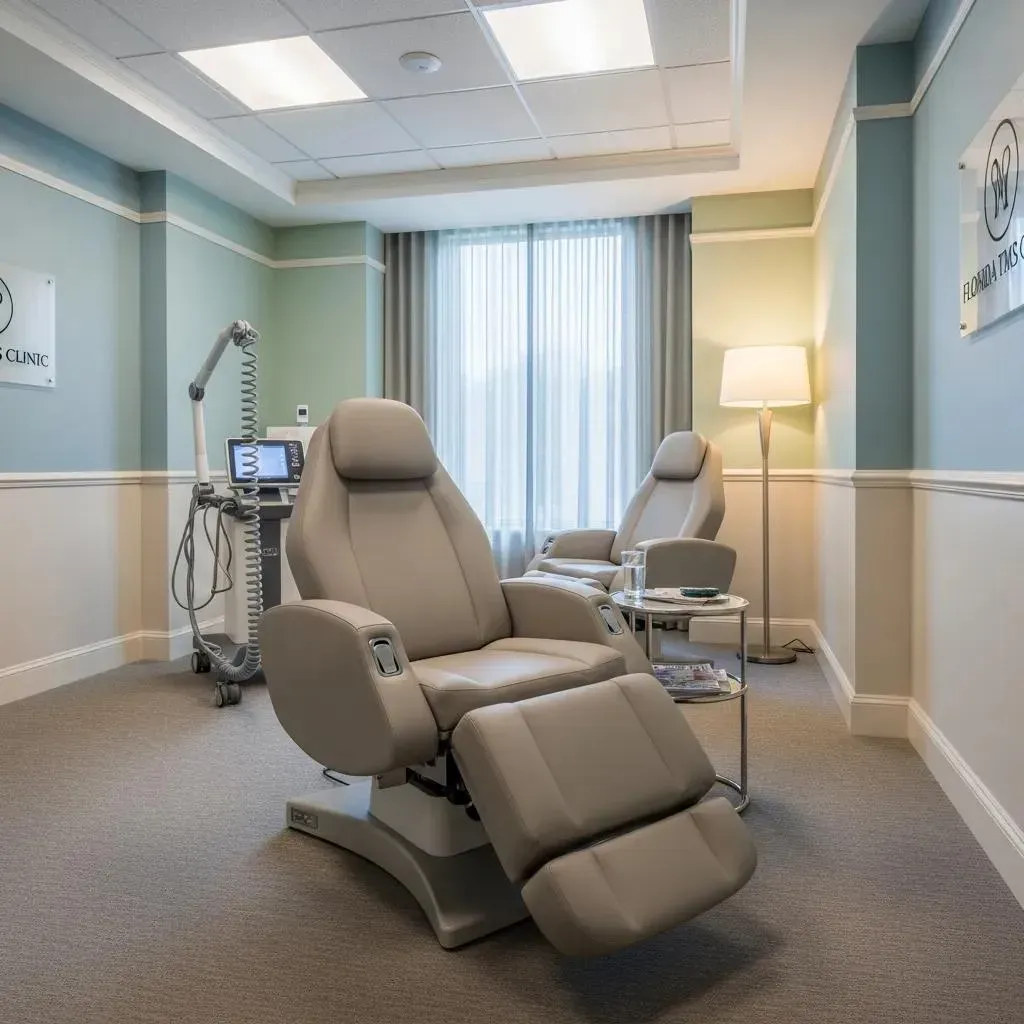
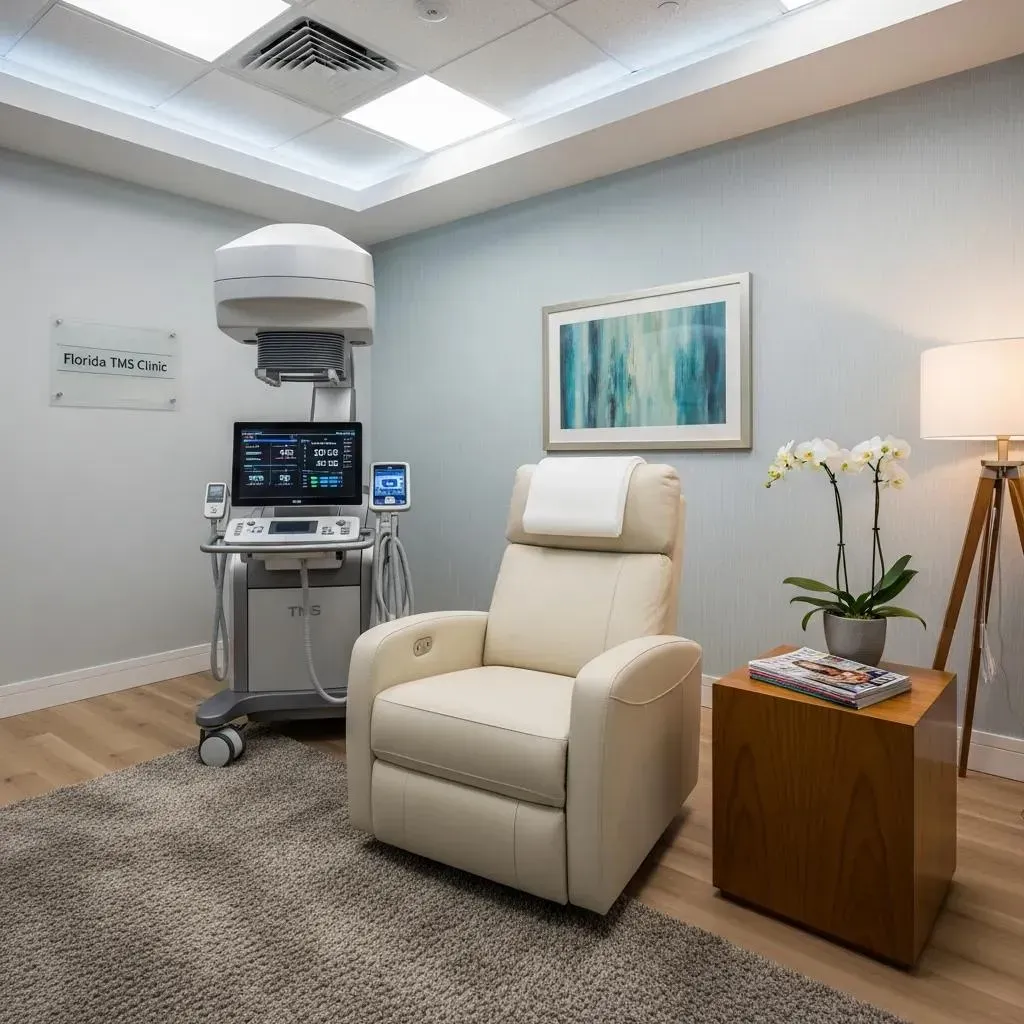
- Advanced Technology: The clinic utilizes state-of-the-art equipment to deliver TMS therapy safely and effectively.
These practices contribute to a safe and supportive environment for patients seeking mental health treatment.