Carrollwood TMS Clinic: Expert Local Services for Transcranial Magnetic Stimulation Therapy

Transcranial Magnetic Stimulation (TMS) therapy is a revolutionary non-invasive treatment for mental health conditions, particularly depression and anxiety. This article explores the mechanisms, benefits, and eligibility criteria for TMS therapy, specifically at the Carrollwood TMS Clinic. Many individuals struggle with treatment-resistant depression, often feeling hopeless after exhausting traditional therapies. TMS offers a promising solution by stimulating brain regions associated with mood regulation. We will delve into how TMS works, who qualifies for treatment, and the benefits it provides, along with insights into insurance coverage and costs.
What Is Transcranial Magnetic Stimulation Therapy and How Does It Work?
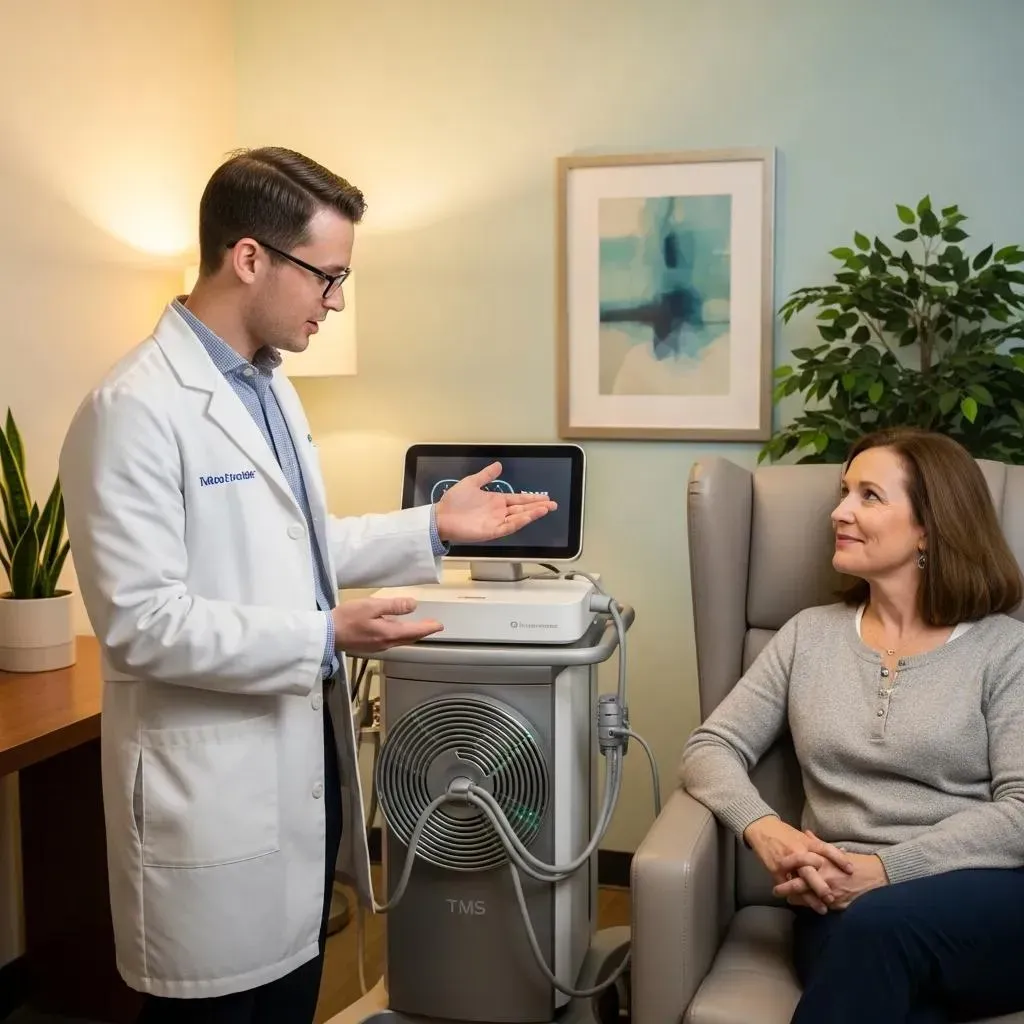
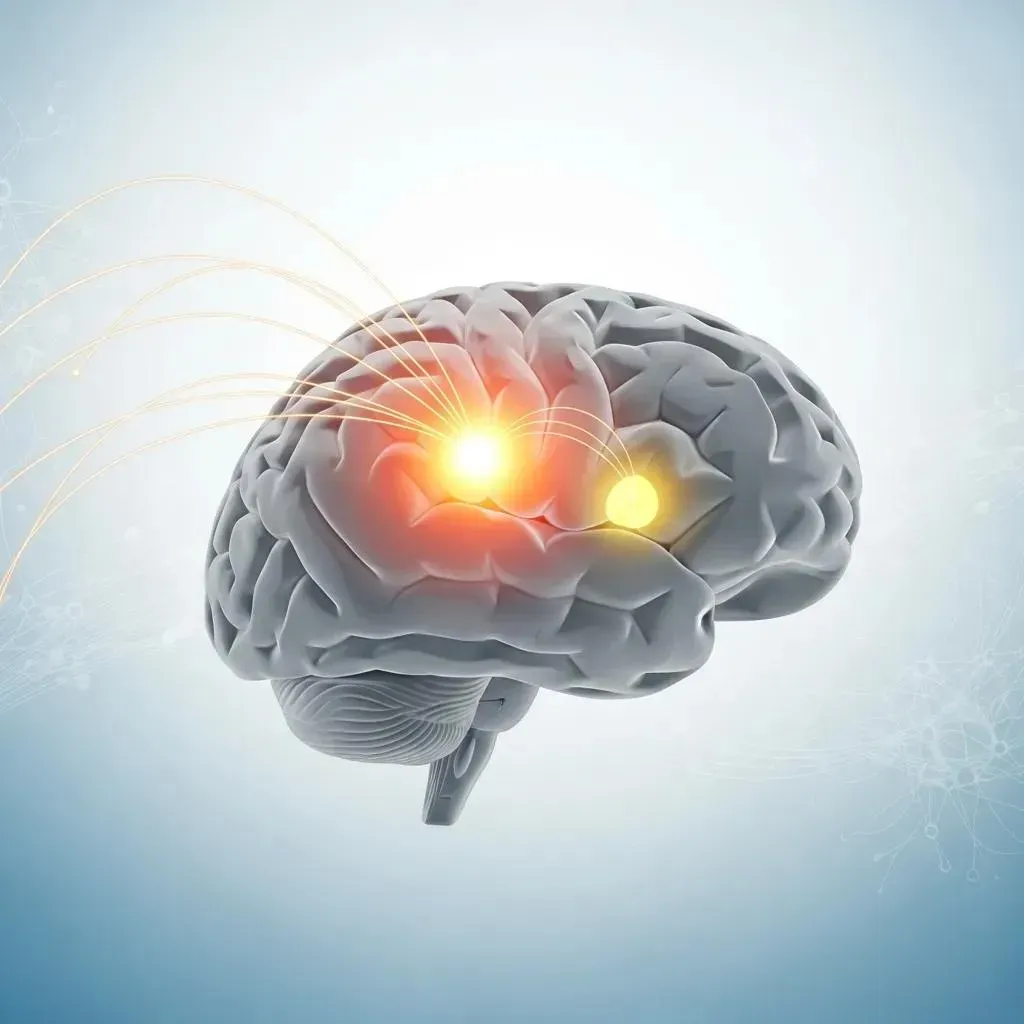
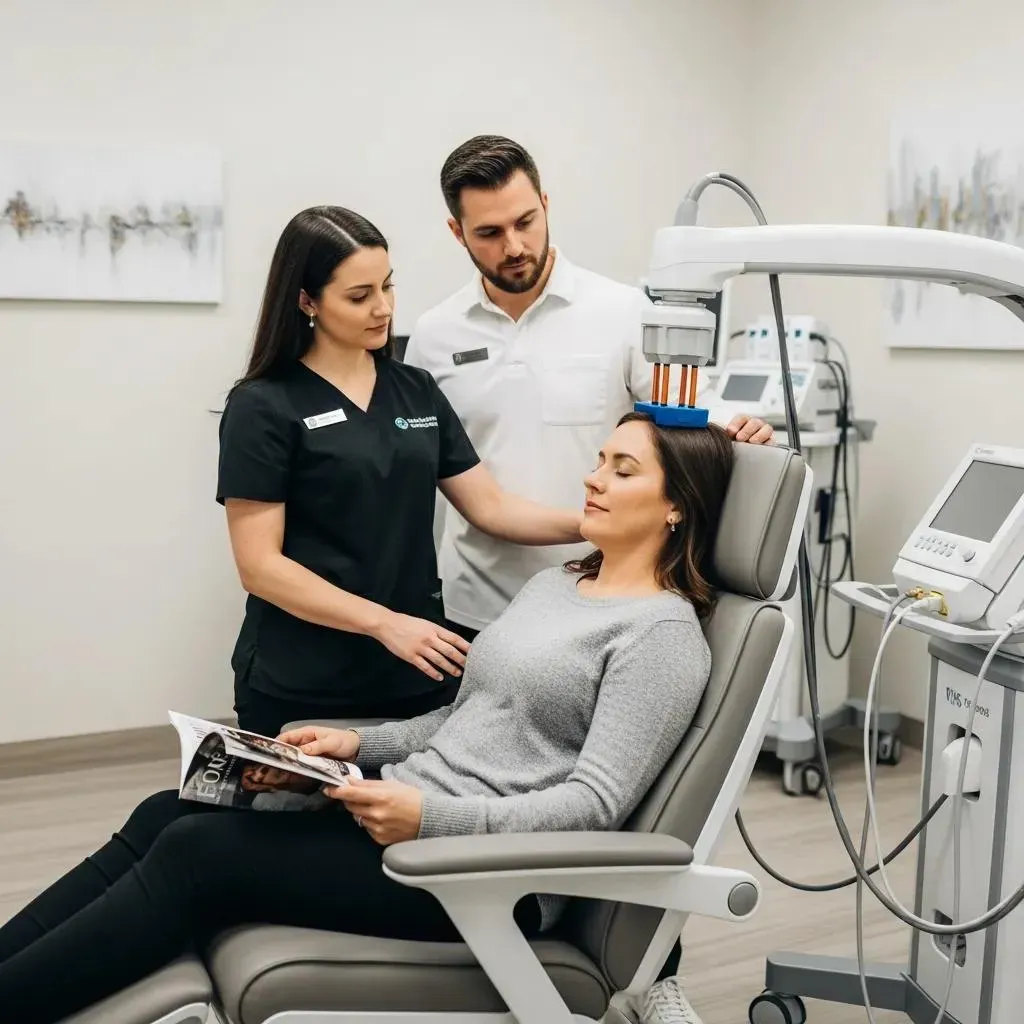
Transcranial Magnetic Stimulation (TMS) therapy is a non-invasive procedure primarily used to treat depression and other mental health conditions. It works by using a magnetic coil placed against the scalp to deliver targeted magnetic pulses to specific areas of the brain. Patients remain awake and alert during the treatment, which typically lasts about 30 to 60 minutes per session. Many patients report feeling minimal discomfort, making TMS a well-tolerated option for those seeking relief from debilitating symptoms.
Further research elaborates on the precise mechanisms by which TMS influences brain activity to treat depression.
How Transcranial Magnetic Stimulation Works for Depression
Transcranial magnetic stimulation can either excite or inhibit cortical areas of the brain, depending on whether the speed of the repetitive stimulation is applied at high or low frequencies. It has been used for physiological studies and it has also been proposed as a treatment for depression.
Transcranial magnetic stimulation for treating depression, 1996
Understanding Non-Invasive Depression and Anxiety Treatment
TMS therapy is part of a broader category of non-invasive treatment options for mental health conditions. Here are some key types of non-invasive therapies:
- Transcranial Magnetic Stimulation (TMS): This FDA-approved procedure uses magnetic fields to stimulate nerve cells in the brain, primarily targeting areas involved in mood regulation.
- Navigated TMS Therapy: A method that provides highly accurate magnetic pulses to specific areas of the brain, enhancing treatment precision.
- Accelerated TMS: A protocol that involves multiple sessions per day over a shorter period, designed for rapid symptom relief.
These therapies represent significant advancements in the treatment of depression and anxiety, offering hope to those who have not found success with traditional methods.
How TMS Stimulates Brain Regions to Improve Mood
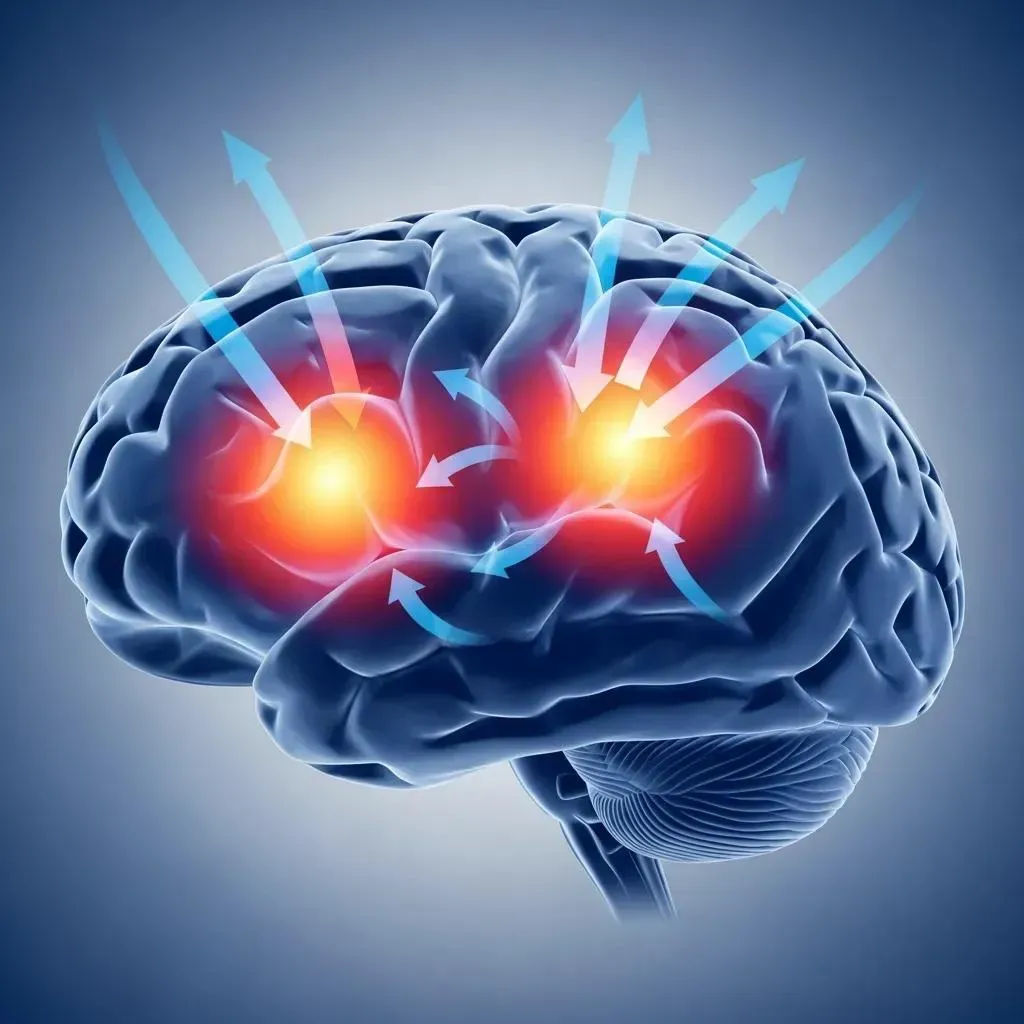
TMS therapy stimulates brain regions associated with mood regulation by delivering targeted magnetic pulses to nerve cells. This non-invasive procedure promotes neural activity, enhances synaptic plasticity, and normalizes brain circuits involved in mood. By effectively modulating brain function, TMS can lead to significant improvements in depressive symptoms, providing a valuable alternative for individuals who have not responded to conventional treatments.
Studies continue to explore the profound impact of repetitive TMS on neurophysiological markers in individuals with treatment-resistant depression.
rTMS Effectiveness for Treatment-Resistant Depression
Repetitive transcranial magnetic stimulation (rTMS) is effective for treatment resistant depression (TRD), but little is known about rTMS’ effects on neurophysiological markers.
Neurophysiological effects of repetitive transcranial magnetic stimulation (rTMS) in treatment resistant depression, D Voineskos, 2021
Who Is Eligible for TMS Therapy at Carrollwood TMS Clinic?

Eligibility for TMS therapy at the Carrollwood TMS Clinic is determined by several criteria:
- Diagnosis: A diagnosis of severe depression in the current episode, confirmed by a depression rating scale.
- Medication History: Patients must have experienced failure or side effects from at least two antidepressants from different classes.
- Age Restrictions: Generally, candidates should be between the ages of 18 and 65.
These criteria ensure that TMS therapy is offered to those who are most likely to benefit from this innovative treatment.
Patient Criteria for Depression and Anxiety Treatment
Patients seeking treatment for depression and anxiety at the Carrollwood TMS Clinic must meet specific criteria:
- Diagnosis of Severe Depression: Confirmed through a depression rating scale.
- Medication Trials: Evidence of failure or side effects from at least two different antidepressants.
- Psychotherapy Failure: Documentation of unsuccessful psychotherapy, such as 12 sessions of Cognitive Behavioral Therapy (CBT).
These criteria help tailor the treatment approach to each patient's unique needs, ensuring the best possible outcomes.
Consultation and Personalized Treatment Planning
To request a consultation and personalized treatment plan at Florida TMS Clinic, you can call them at (813) 867-2378 or fill out their online contact form available on their website. This initial consultation is crucial for assessing individual needs and determining the most effective treatment strategy.
What Are the Benefits and Success Rates of TMS Therapy?

TMS therapy offers several benefits, making it an attractive option for those struggling with depression:
- Non-Invasive Nature: Unlike traditional treatments, TMS does not require anesthesia or hospitalization.
- High Success Rates: Studies indicate that approximately 50-70% of patients experience significant improvement in depressive symptoms.
- Minimal Side Effects: Compared to traditional antidepressants, TMS has fewer side effects, making it a safer alternative for many patients.
These benefits highlight the potential of TMS therapy to transform the lives of individuals suffering from depression.
| Benefit | Description | Success Rate |
|---|---|---|
| Non-Invasive | No need for anesthesia or hospitalization | High |
| High Success Rates | 50-70% of patients see significant improvement | Moderate |
| Minimal Side Effects | Fewer side effects compared to traditional medications | High |
This table illustrates the key benefits of TMS therapy, emphasizing its effectiveness and safety profile.
Clinical Evidence and FDA Approval for Safety and Efficacy
The Florida TMS Clinic offers Transcranial Magnetic Stimulation (TMS) therapy, which is FDA-approved for the treatment of major depressive disorder. Clinical studies have demonstrated that TMS can lead to significant improvements in mood and overall mental health. The rigorous testing and approval process ensures that TMS is a safe and effective treatment option for those suffering from depression.
The consensus among clinical experts further reinforces the established efficacy and safety profile of TMS for patients with treatment-resistant depression.
TMS Efficacy & Safety for Treatment-Resistant Depression
Daily left prefrontal TMS has substantial evidence of efficacy and safety for treating the acute phase of depression in patients who are treatment resistant or intolerant.
The clinical TMS society consensus review and treatment recommendations for TMS therapy for major depressive disorder, MS George, 2016
Patient Testimonials Demonstrating Treatment Outcomes
While specific testimonials are not included, many patients report transformative experiences after undergoing TMS therapy. They often describe a renewed sense of hope and improved quality of life, highlighting the therapy's effectiveness in alleviating symptoms of depression and anxiety.
How Does Insurance Coverage and Cost Affect Access to TMS Therapy?
TMS therapy typically costs between $300 to $500 per session, but many insurance plans cover a substantial portion of these costs. Understanding insurance coverage is crucial for patients considering TMS therapy, as it can significantly affect accessibility and affordability.
Insurance Options and Coverage for Mental Health Services in Carrollwood
Florida TMS Clinic in Carrollwood offers various insurance options for mental health services, particularly for Transcranial Magnetic Stimulation (TMS) therapy. The clinic provides a free insurance benefits check, confirms eligibility, and estimates out-of-pocket costs before treatment begins. This transparency helps patients make informed decisions about their mental health care.
Transparent Pricing and Financial Assistance Programs
Florida TMS Clinic offers transparent pricing options and financial assistance programs. They provide a clear fee schedule with no hidden fees, ensuring that patients understand the financial aspects of their treatment. This commitment to transparency fosters trust and helps patients navigate their mental health journey with confidence.