New Tampa TMS Clinic: Expert Transcranial Magnetic Stimulation Therapy for Depression and Anxiety

Transcranial Magnetic Stimulation (TMS) therapy is a groundbreaking treatment for individuals suffering from depression and anxiety. This non-invasive procedure utilizes magnetic fields to stimulate nerve cells in the brain, offering a promising alternative for those who have not found relief through traditional therapies. In this article, we will explore the mechanisms behind TMS therapy, its safety and efficacy, eligibility criteria, and the benefits it provides. Additionally, we will discuss how to schedule a consultation at the Florida TMS Clinic and the associated costs.
What is Transcranial Magnetic Stimulation Therapy?
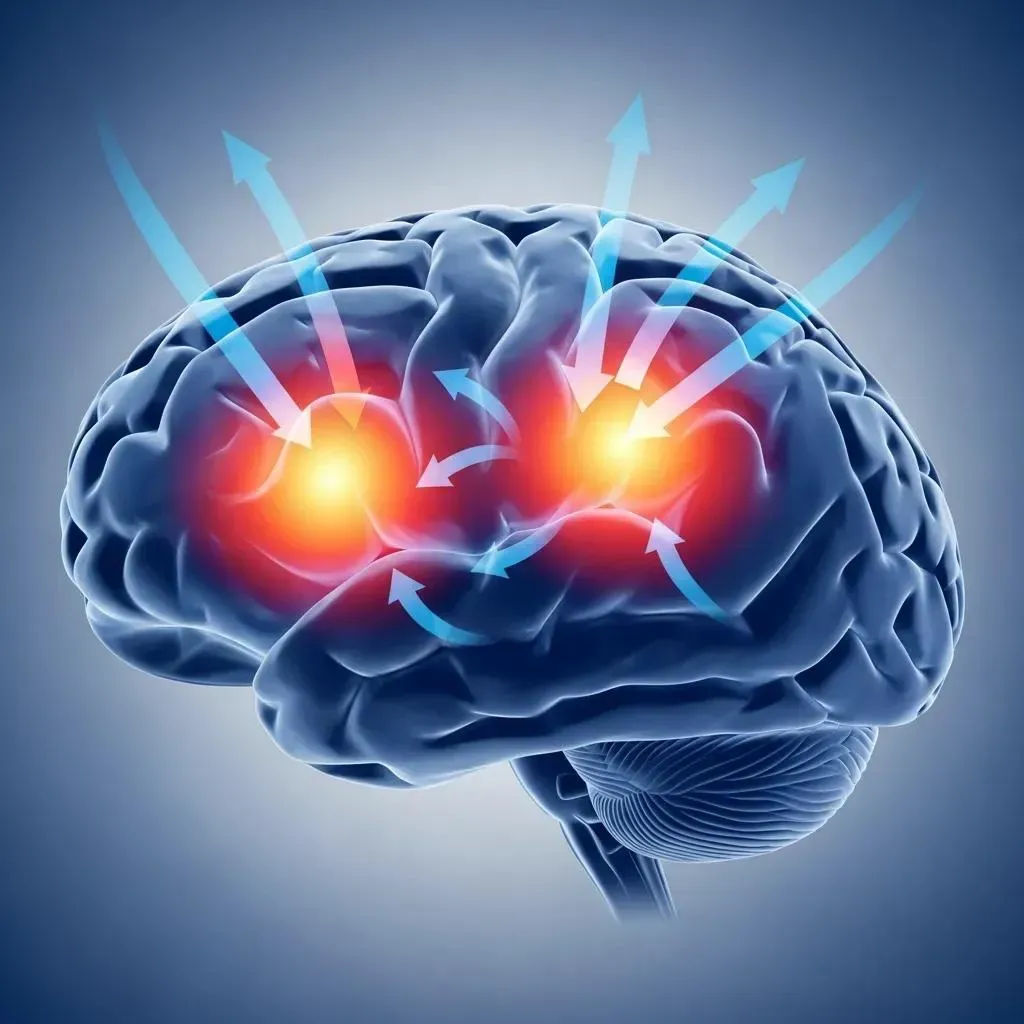
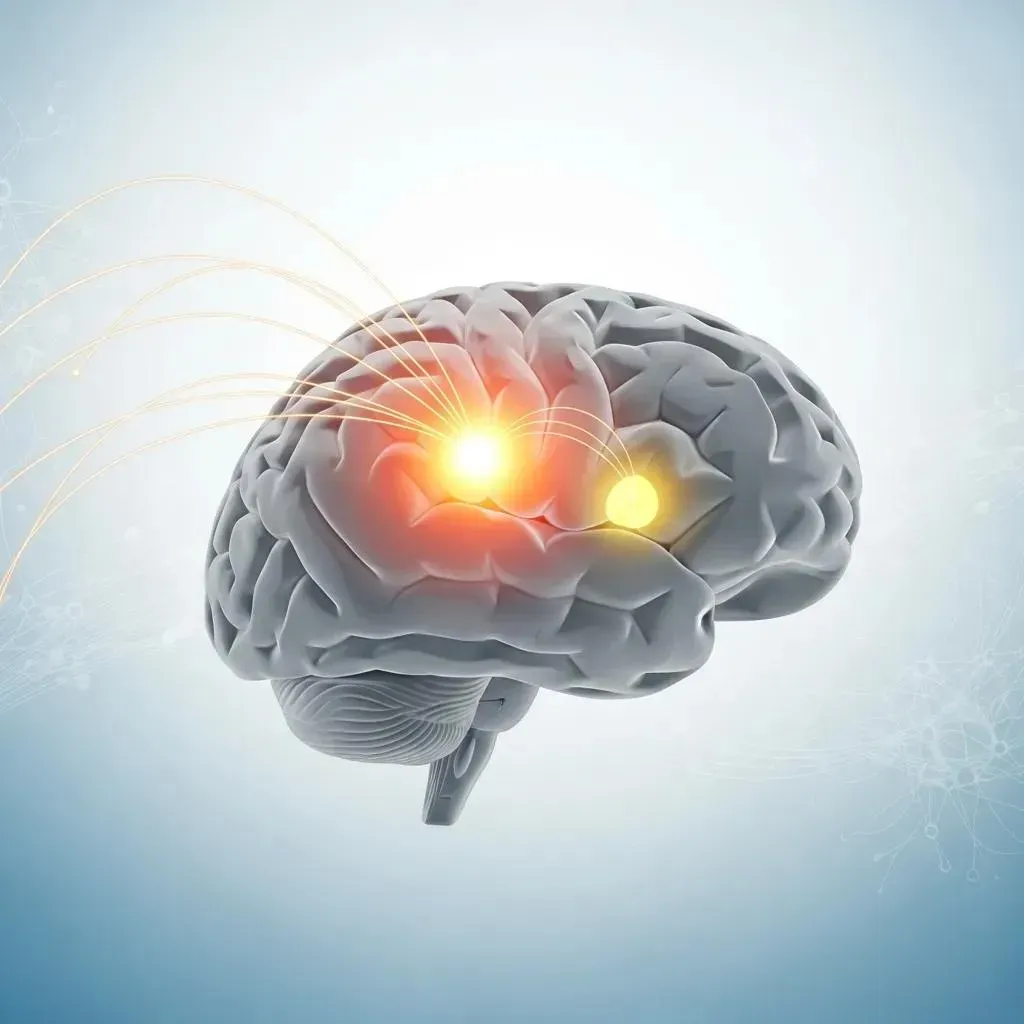
Transcranial Magnetic Stimulation (TMS) therapy is a non-invasive treatment designed to alleviate symptoms of depression and anxiety by using magnetic pulses to stimulate specific areas of the brain. This innovative approach targets the prefrontal cortex, which is often underactive in individuals with these mental health conditions. By enhancing neural activity in this region, TMS therapy aims to improve mood and reduce anxiety levels.
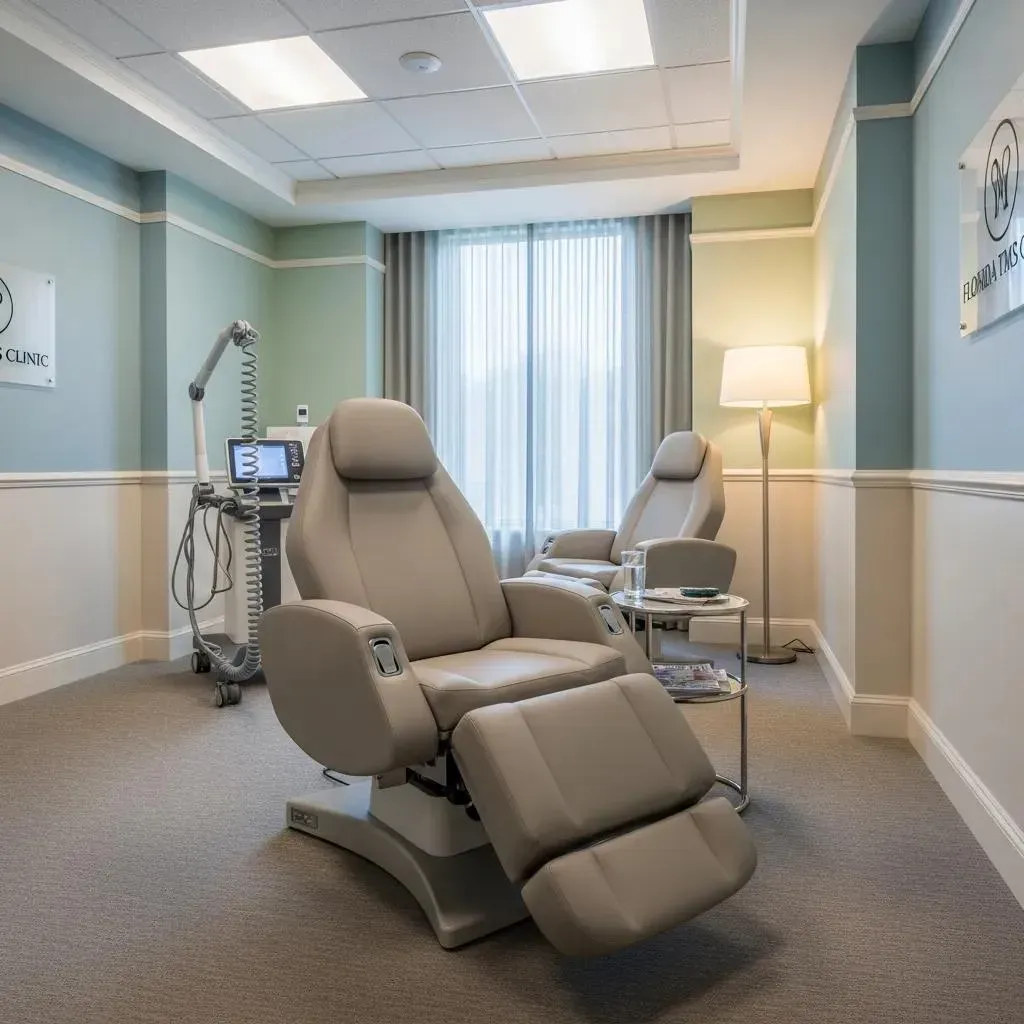
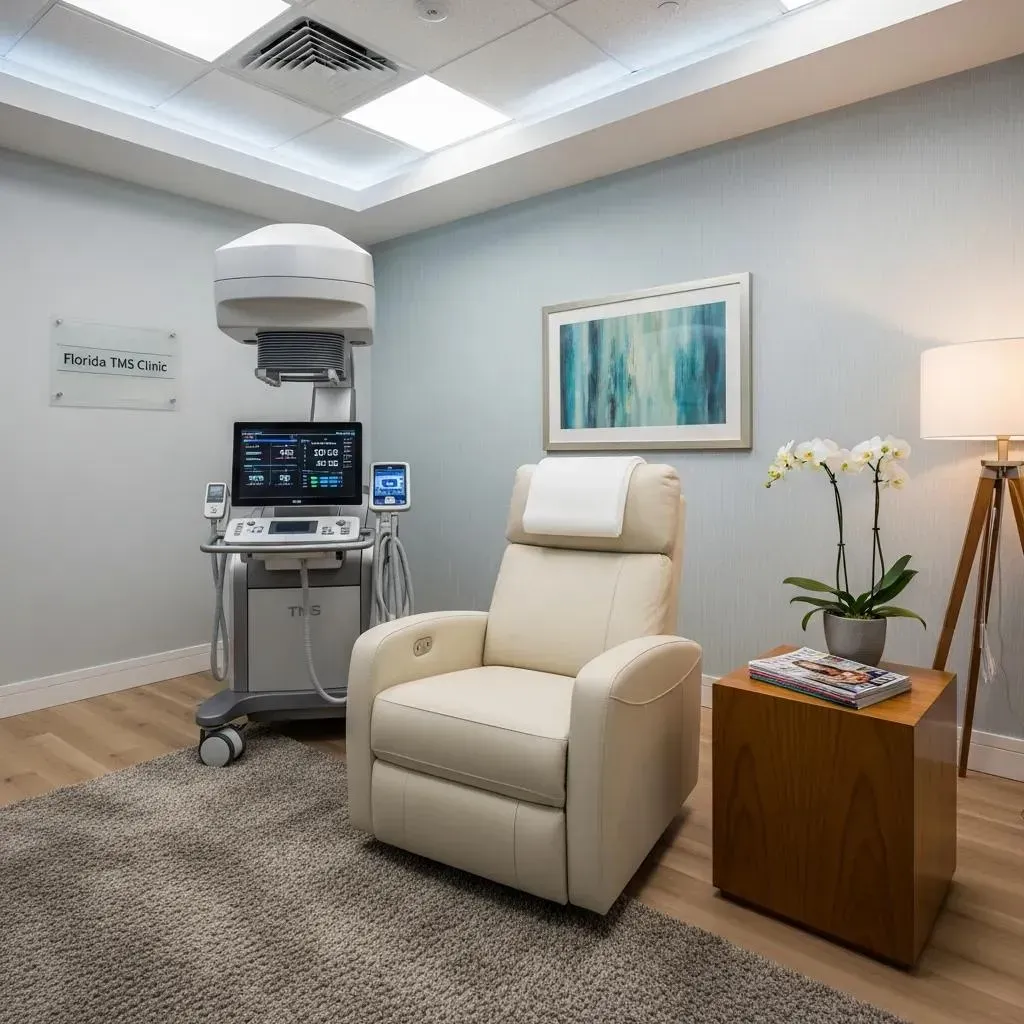
For those seeking effective treatment options, the Florida TMS Clinic specializes in TMS therapy, providing expert care tailored to individual needs.
How does TMS therapy work to treat depression and anxiety?
TMS therapy operates by delivering magnetic pulses to the brain, which induce electrical currents that stimulate nerve cells. This process enhances the activity of neurotransmitters, such as serotonin and dopamine, which play crucial roles in regulating mood and emotional responses. The targeted stimulation helps to restore balance in brain activity, leading to improved mental health outcomes.
Patients undergoing TMS therapy can expect gradual improvements in their symptoms, often reporting enhanced mood and reduced anxiety over the course of treatment.
What makes TMS a safe and FDA-cleared treatment option?

TMS therapy is recognized as a safe and effective treatment option, having received FDA clearance for the treatment of major depressive disorder. The procedure is non-invasive, meaning it does not require anesthesia or surgical intervention. Common side effects are generally mild and may include headache or scalp discomfort, which typically resolve shortly after the session.
The safety profile of TMS therapy, combined with its non-invasive nature, makes it an appealing choice for individuals seeking alternatives to medication or more invasive treatments.
The journey of TMS as a recognized treatment began with significant regulatory milestones, underscoring its established role in mental health care.
FDA Approval & Evolution of TMS for Depression
It has been over a decade since the initial US Food and Drug Administration (FDA) approval of Transcranial Magnetic Stimulation (TMS). The technology was first approved for treating Major Depressive Disorder (MDD) in adults who have not responded satisfactorily to prior antidepressant medications in 2008 using the Neuronetics Neurostar System (DEN070003). Since then, refinement and optimization of TMS has paved the way to new and emerging technology that improves and broadens the clinical utility of TMS – such as pulse train protocols (e.g., iTBS and 18/20 Hz stimulation), neuronavigational systems, and electromagnetic coil technology. Alongside ongoing clinical trials, the approval of TMS therapies by the FDA has underpinned clinical adoption in the US.
A visual and narrative timeline of US FDA milestones for Transcranial Magnetic Stimulation (TMS) devices, SL Cohen, 2021
Who is Eligible for TMS Therapy at New Tampa Clinic?
Eligibility for TMS therapy at the Florida TMS Clinic typically includes individuals diagnosed with major depressive disorder who have not responded adequately to traditional treatments, such as antidepressant medications or psychotherapy. Additionally, candidates should meet specific criteria, including:
- A confirmed diagnosis of major depressive disorder
- Previous treatment failures with at least one antidepressant
- No contraindications for magnetic stimulation, such as certain implanted medical devices
This careful selection process ensures that TMS therapy is administered to those who are most likely to benefit from it.
Beyond adult applications, recent advancements have expanded TMS eligibility to a younger demographic, offering new hope for adolescent depression.
TMS for Adolescent Depression: FDA Clearance & Benefits
Adolescent depression remains a pressing public health challenge, with current treatments often yielding inconsistent and suboptimal outcomes. The recent U.S. Food & Drug Administration (FDA) clearance of transcranial magnetic stimulation (TMS) as an adjunctive treatment for major depressive disorder (MDD) in adolescents aged 15–21 years represents a significant step in expanding therapeutic options for this vulnerable population [1]. This milestone introduces a non-pharmacological intervention with the potential to enhance treatment outcomes, accelerate remission of major depressive episodes (MDEs), and mitigate the progression to treatment-resistant depression (TRD).
TMS in adolescent depression: A milestone FDA clearance, CB Nemeroff, 2026
What conditions does TMS therapy effectively address?
TMS therapy is primarily used to treat major depressive disorder, but it has also shown effectiveness in addressing other mental health conditions, including:
- Anxiety disorders
- Obsessive-Compulsive Disorder (OCD)
The versatility of TMS therapy makes it a valuable option for individuals struggling with various mental health challenges.
Research further supports the effectiveness of TMS, particularly for individuals struggling with treatment-resistant depression and co-occurring anxiety.
TMS Efficacy for Treatment-Resistant Depression & Anxiety
The use of Transcranial Magnetic Stimulation (TMS) in the add-on treatment of patients with treatment-resistant depression (TRD) is becoming more common. This study aims to investigate the efficacy of TMS on depression and accompanying anxiety symptoms among patients with TRD.
Efficacy of transcranial magnetic stimulation in treatment-resistant depression, NK Oğuzhanoğlu, 2022
How do clinicians determine patient suitability for TMS treatment?
Clinicians at the Florida TMS Clinic conduct thorough assessments to determine patient suitability for TMS therapy. This evaluation includes:
- A comprehensive psychiatric evaluation
- Review of medical history and previous treatments
- Assessment of current mental health status
By considering these factors, clinicians can ensure that TMS therapy is a safe and appropriate option for each individual.
What Are the Benefits and Treatment Process of TMS Therapy?

TMS therapy offers several benefits that contribute to its growing popularity as a treatment for depression and anxiety. Key advantages include:
- Non-invasive Nature: TMS therapy does not require surgery or anesthesia, making it a low-risk option for patients.
- Minimal Side Effects: Most patients experience only mild side effects, such as headaches or scalp discomfort, which are generally short-lived.
- High Success Rate: Many patients report significant improvements in their symptoms, with some achieving remission from depression.
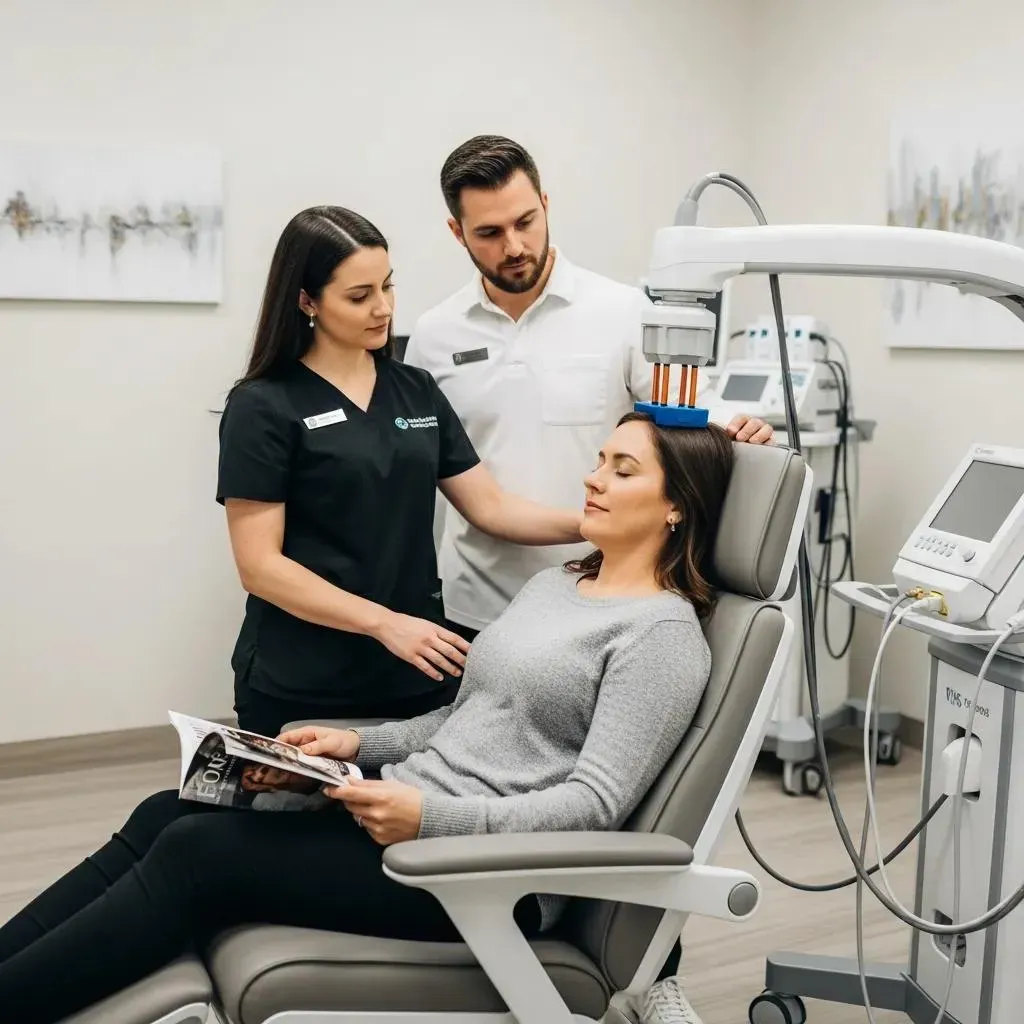
The treatment process typically involves multiple sessions over several weeks, with each session lasting about 20-40 minutes. Patients can resume their daily activities immediately after treatment, making TMS therapy a convenient option for those with busy schedules.
Benefits of TMS Therapy
Different aspects of TMS therapy provide unique benefits that enhance its effectiveness.
| Benefit | Description | Impact Level |
|---|---|---|
| Non-invasive | No surgery or anesthesia required | High |
| Minimal side effects | Generally mild and short-lived | High |
| High success rate | Significant symptom improvement reported | High |
These benefits highlight why TMS therapy is becoming a preferred choice for many individuals seeking relief from depression and anxiety.
How many sessions are typically required for effective treatment?
The number of TMS therapy sessions required for effective treatment can vary based on individual needs and the severity of symptoms. Typically, patients undergo:
- Initial Phase: 5 sessions per week for 4-6 weeks
- Maintenance Phase: Additional sessions may be recommended based on individual progress
Most patients begin to notice improvements within the first few weeks of treatment, with optimal results often achieved after completing the initial phase.
How to Schedule a Consultation and Understand TMS Therapy Costs in New Tampa
Scheduling a consultation at the Florida TMS Clinic is straightforward. Interested individuals can contact the clinic directly to set up an appointment. During the consultation, patients will receive a comprehensive evaluation to determine their eligibility for TMS therapy.
What insurance options and costs are associated with TMS therapy?
The cost of TMS therapy can vary depending on the treatment plan and insurance coverage. Many insurance providers offer coverage for TMS therapy, particularly for patients with major depressive disorder who have not responded to other treatments.
Patients are encouraged to check with their insurance provider to understand their specific coverage options and any out-of-pocket costs associated with TMS therapy.
How can patients schedule a consultation at Florida TMS Clinic?
To schedule a consultation at the Florida TMS Clinic, patients can call (813) 867-3646. The clinic's staff will assist in setting up an appointment and answering any questions regarding the TMS therapy process and costs.
This proactive approach ensures that individuals seeking help for depression and anxiety can access the care they need in a timely manner.