
Ketamine and Spravato: A Clear Guide to Esketamine Benefits and Patient Outcomes

Ketamine therapy is a fast-acting option for many people with treatment-resistant depression. This article summarizes how ketamine and esketamine (Spravato) work, how they are given, the main benefits, common side effects, and essential safety and eligibility considerations so patients and clinicians can make informed choices.
Key Takeaways
- Ketamine can produce rapid symptom relief for many people with treatment-resistant depression by altering glutamate signaling.
- Esketamine (Spravato) is an intranasal form that delivers quick antidepressant effects for eligible patients.
- The nasal-spray format supports clinic-based administration and often a faster onset than many oral medications.
- Esketamine differs from traditional ketamine mainly by formulation, delivery route, and its regulatory approval for depression.
- Common side effects include dizziness, nausea, and transient dissociative experiences.
- Safe Spravato care depends on screening, supervised dosing, and post-dose observation.
- Eligibility usually requires a diagnosis of treatment-resistant depression and a medical evaluation to rule out contraindications.
- Patients arrange Spravato consultations through clinics or mental health providers offering the treatment.
How Does Ketamine Therapy Provide Depression Relief?
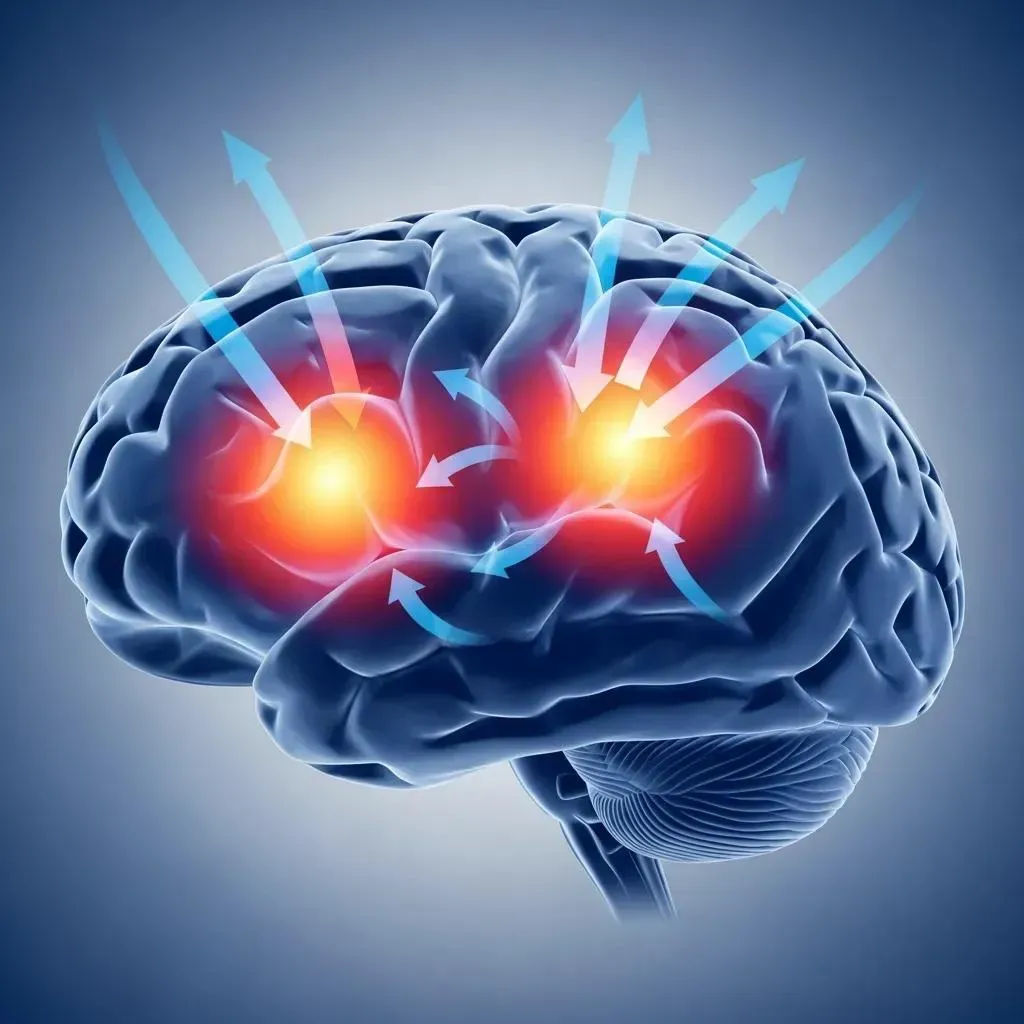
Ketamine can relieve depressive symptoms quickly by modulating glutamate pathways and supporting synaptic plasticity. Unlike many antidepressants that take weeks, ketamine’s effects can appear within hours, which is valuable for people who have not responded to standard treatments.
What Is Ketamine and Its Role in Mental Health Treatment?
Ketamine is a dissociative anesthetic repurposed in psychiatric care after observed mood benefits. In specialized settings it is used for severe depression and certain anxiety or trauma-related conditions when other treatments have failed or are too slow.
How Does Ketamine Work to Alleviate Treatment-Resistant Depression?
Ketamine blocks NMDA receptor activity and increases glutamate release, triggering rapid synaptic remodeling and improved neural communication related to mood. These neurobiological effects differ from those of typical antidepressants and help explain ketamine’s faster onset of action.
Ongoing research continues to clarify the molecular pathways behind ketamine and esketamine’s rapid effects.
Ketamine & Esketamine — Efficacy, Tolerability and Antidepressant Mechanisms
Ketamine and its enantiomer S‑ketamine (esketamine) show rapid-onset antidepressant effects in treatment-resistant depression. While ketamine blocks the glutamate N‑methyl‑D‑aspartate (NMDA) receptor, that blockade alone may not fully explain the clinical benefit. Other proposed mechanisms include selectivity for NMDA receptor subtypes (such as NR2B), effects on protein phosphorylation (e.g., eEF2 kinase), increased expression of BDNF and TrkB, activation of mTOR signaling, and actions related to ketamine metabolites such as R‑hydroxynorketamine (R‑HNK).
Antidepressant efficacy and tolerability of ketamine and esketamine: a critical review, P Molero, 2018
What Are the Key Benefits and Usage of Esketamine Nasal Spray?
Esketamine (Spravato) is an intranasal formulation developed to provide rapid antidepressant benefit with clinic-based, supervised dosing. It is commonly used alongside an oral antidepressant to improve response in patients who have not benefited from standard medications.
Developing esketamine as a nasal spray expanded clinic access to a fast-acting antidepressant option.
Molecular Basis and Treatment-Resistant Depression (TRD) Approval
The discovery that the racemic form of ketamine ((R,S)-ketamine) has robust antidepressant effects was a major step forward in mood disorder research. (R,S)-ketamine contains equal amounts of (R)-ketamine (arketamine) and (S)-ketamine (esketamine). In 2019, an esketamine nasal spray from Johnson & Johnson received regulatory approval in the United States and Europe for treatment-resistant depression.
Molecular mechanisms underlying the antidepressant actions of arketamine: beyond the NMDA receptor, Y Wei, 2022
What Is Spravato and How Is It Administered?
Spravato is self-administered as a nasal spray in a clinic under direct supervision so staff can monitor response and immediate side effects. The nasal route permits rapid absorption and a quicker onset than many oral treatments; initial doses are given with observation afterward.
How Does Esketamine Differ from Traditional Ketamine Therapy?
Key differences are formulation and delivery: traditional ketamine is often given by IV infusion, while esketamine is an intranasal spray with specific studies and regulatory approval for treatment-resistant depression. These differences affect monitoring and integration into care plans.
What Are the Common Side Effects and Safety Considerations of Spravato?
Spravato is generally well tolerated, but patients should expect side effects such as dizziness, nausea, and short-lived dissociative symptoms. Because these can occur soon after dosing, clinical monitoring before, during, and after administration is standard practice.
Real-world experience indicates most side effects are transient and manageable with proper monitoring.
Real-World Esketamine (Spravato) Outcomes for Treatment-Resistant Depression
Observational data indicate that patients with moderate to severe baseline depression symptoms often improved to the mild range after four weeks of treatment, with effects maintained through 16 weeks. Reported adverse effects were generally transient and mild—dissociation and sedation were most common—with few treatment discontinuations related to tolerability and no major safety events reported in the study cohort.
…in the treatment of patients with treatment-resistant depression: an observational study based on data collected in a Spravato treatment program at the Institute of …, 2026
Which Side Effects Are Associated with Esketamine Treatment?
Patients may experience several common side effects, including:
- Dizziness: Often occurs soon after dosing and usually resolves within a short period.
- Nausea: Some people report nausea that can be managed with supportive measures.
- Dissociative Symptoms: Temporary feelings of detachment or altered perception that typically subside after the session.
Being prepared for these effects helps clinicians and patients manage them safely.
How Is Patient Safety Monitored During Spravato Therapy?

Clinics follow standard protocols to protect patients during Spravato treatment:
- Observation: Patients are typically observed for at least two hours after dosing to ensure recovery and monitor side effects.
- Screening: A medical review before treatment identifies contraindications or issues requiring extra caution.
- Support Systems: Clinicians give guidance on aftercare and when to seek help.
These precautions maximize benefit while reducing potential risks.
Who Is Eligible for Ketamine and Spravato Treatments and How to Schedule Consultations?
Eligibility involves a careful review of medical history, current mental health, and prior treatment response to ensure the therapy is appropriate and safe for each person.
What Criteria Determine Eligibility for Esketamine Treatment?
To be considered for esketamine, patients generally must meet these criteria:
- Diagnosis of Treatment-Resistant Depression: A confirmed diagnosis and inadequate response to at least two antidepressant trials are commonly required.
- Medical Evaluation: A full medical history and exam help rule out contraindications such as uncontrolled medical conditions.
- Psychological Assessment: Mental health assessments ensure the patient is an appropriate candidate and identify supports needed during treatment.
These steps help clinicians use esketamine safely and effectively.
How Can Patients Schedule a Consultation for Spravato Therapy?
Scheduling a Spravato consultation typically follows a straightforward process:
- Contact a Healthcare Provider: Reach out to a psychiatrist, clinic, or mental health practice that offers Spravato.
- Initial Assessment: A provider reviews medical history, current symptoms, and prior treatments to determine eligibility.
- Follow-Up Appointments: If approved, patients schedule treatment sessions and routine check-ins to monitor response and safety.
This pathway ensures appropriate evaluation and ongoing support.
Frequently Asked Questions
What are the long-term effects of ketamine and esketamine treatments?
Long-term outcomes remain under study. Some patients have sustained improvements for weeks or months after treatment, while others may need maintenance doses or additional care. Regular follow-up helps guide long-term strategies.
Can ketamine therapy be used for conditions other than depression?
Yes. Clinicians and researchers are exploring ketamine for anxiety disorders, PTSD, and OCD among other uses. Use outside approved indications should be guided by specialists and current evidence.
How does the cost of Spravato compare to traditional antidepressants?
Spravato is generally more expensive than standard oral antidepressants due to formulation and clinic-based administration. Costs vary with insurance coverage and treatment frequency; discuss pricing and coverage with your provider and insurer.
What should patients expect during their first Spravato treatment session?
The first session usually takes place in a clinic and lasts about two hours including observation. Patients self-administer the nasal spray under supervision and may feel dizzy or mildly dissociated; staff monitor safety throughout.
Are there any contraindications for using Spravato?
People with known hypersensitivity to esketamine or its ingredients should not receive Spravato. Other cautions include uncontrolled high blood pressure and certain substance-use histories; a thorough medical evaluation identifies risks.
How often do patients need to receive Spravato treatments?
Frequency depends on individual response. Common regimens start twice-weekly for the first four weeks, then move to once-weekly or less frequent maintenance as needed; clinicians tailor schedules to symptoms and tolerability.
Conclusion
Ketamine and esketamine provide faster-acting options for many people with treatment-resistant depression, with Spravato enabling clinic-based nasal administration. Understanding benefits, likely side effects, and safety protocols helps patients and caregivers weigh options. Speak with a qualified healthcare provider to review eligibility and next steps.