Riverview TMS Clinic: Comprehensive Local Services for Transcranial Magnetic Stimulation Therapy

Transcranial Magnetic Stimulation (TMS) therapy has emerged as a revolutionary treatment for mental health conditions, particularly depression and anxiety. This non-invasive procedure utilizes magnetic fields to stimulate nerve cells in the brain, offering hope to those who have not found relief through traditional therapies. At the Riverview TMS Clinic, patients can access specialized TMS services designed to improve mental health outcomes. This article will explore the mechanisms of TMS therapy, its effectiveness for treating depression and anxiety, and the benefits it offers to patients. Additionally, we will discuss the costs associated with TMS therapy and how to schedule a consultation at the Riverview TMS Clinic.
What is Transcranial Magnetic Stimulation Therapy and How Does It Work?
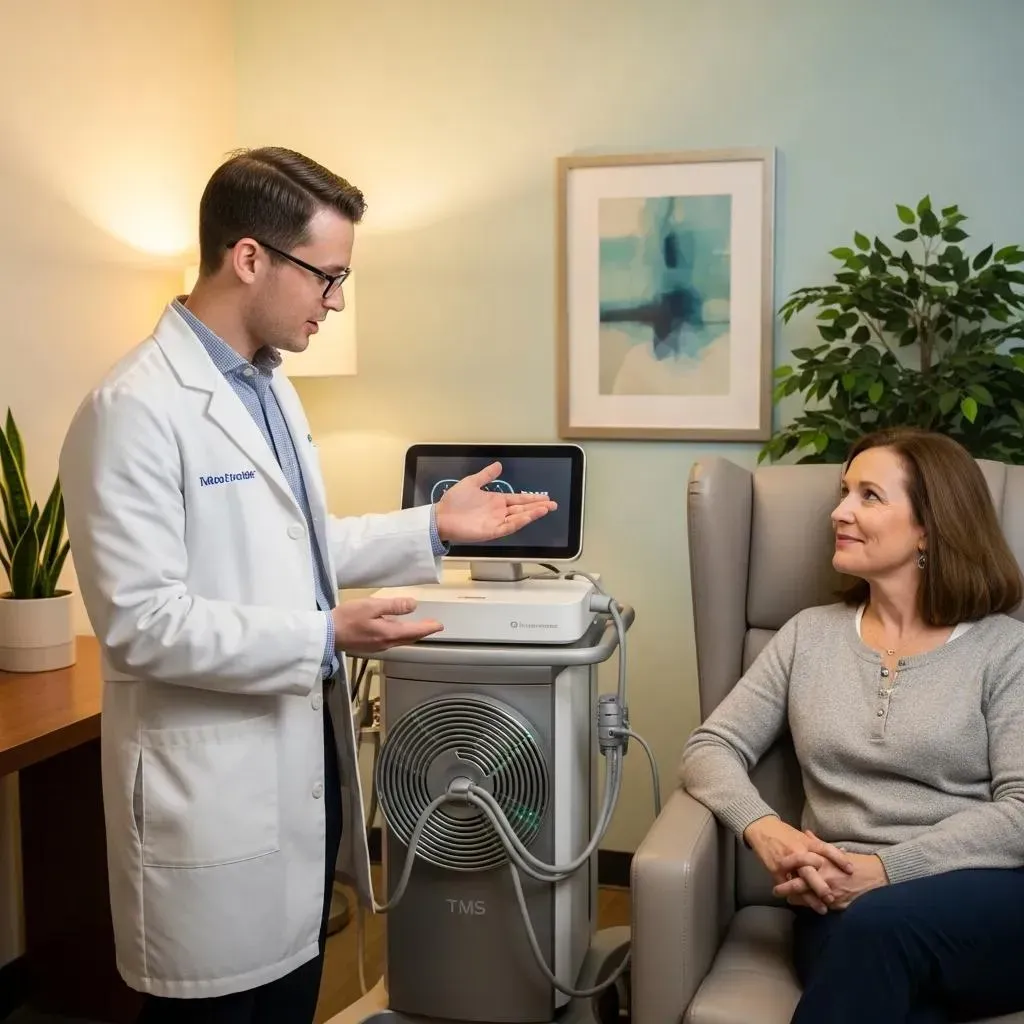
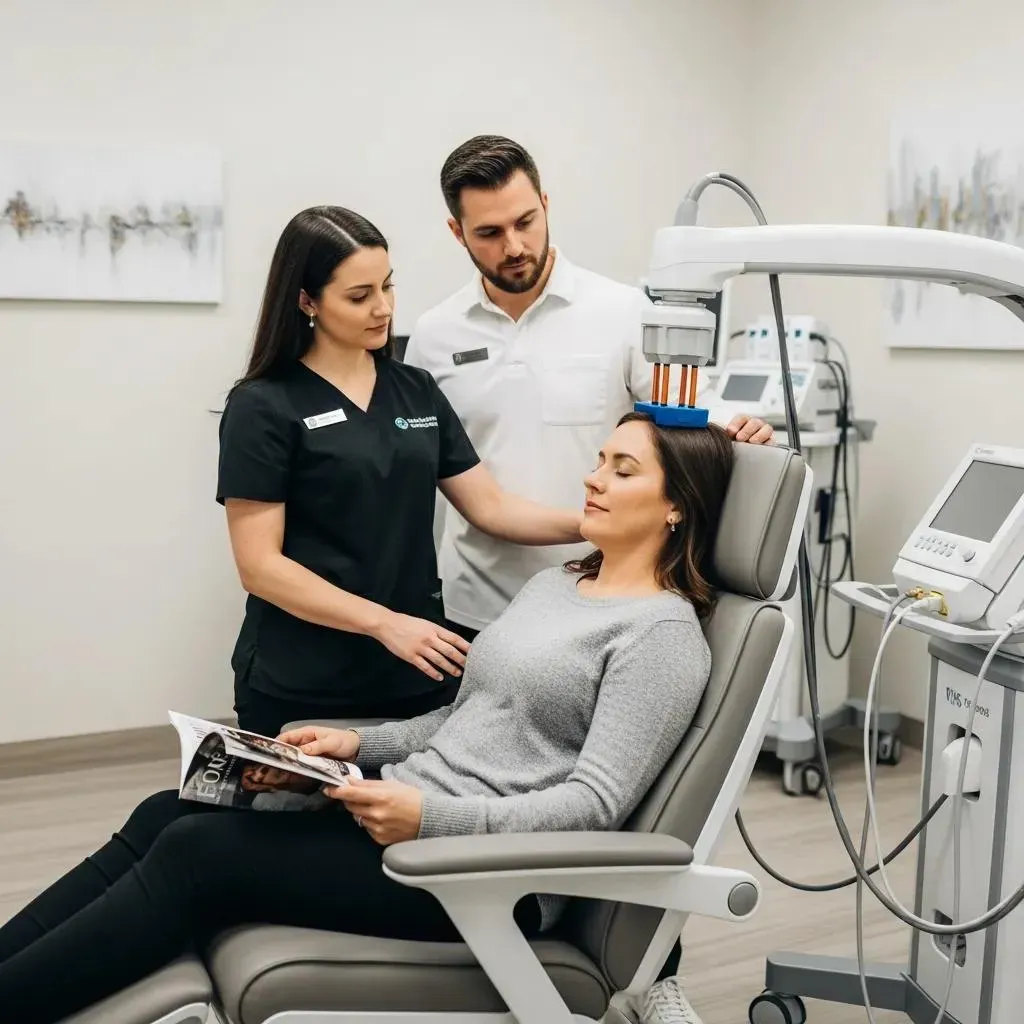
Transcranial Magnetic Stimulation (TMS) therapy is a non-invasive procedure that uses magnetic fields to stimulate nerve cells in the brain. This innovative treatment is primarily used to alleviate symptoms of depression and anxiety, particularly in patients who have not responded to conventional treatments. TMS works by delivering magnetic pulses to specific areas of the brain, which can enhance neural activity and promote neuroplasticity. This stimulation helps to rebalance the brain's chemistry, leading to improved mood and cognitive function.
Understanding TMS Therapy for Depression and Anxiety Treatment
TMS therapy has shown significant promise in treating depression and anxiety, especially for individuals who have not found relief through traditional medications. Research indicates that TMS can be particularly effective for treatment-resistant depression, providing a viable alternative for those who have struggled with persistent symptoms. Patients often report improvements in mood, energy levels, and overall quality of life after undergoing TMS therapy. The non-invasive nature of the treatment, combined with its ability to target specific brain regions, makes it a compelling option for mental health care.
Studies consistently highlight the efficacy of TMS, particularly for individuals with treatment-resistant depression and co-occurring anxiety symptoms.
TMS Efficacy for Treatment-Resistant Depression & Anxiety
The use of Transcranial Magnetic Stimulation (TMS) in the add-on treatment of patients with treatment-resistant depression (TRD) is becoming more common. This study aims to investigate the efficacy of TMS on depression and accompanying anxiety symptoms among patients with TRD.
Efficacy of transcranial magnetic stimulation in treatment-resistant depression, NK Oğuzhanoğlu, 2022
At Florida TMS Clinic, we specialize in providing TMS therapy tailored to the unique needs of each patient. Our experienced team is dedicated to ensuring that individuals receive the highest quality of care throughout their treatment journey.
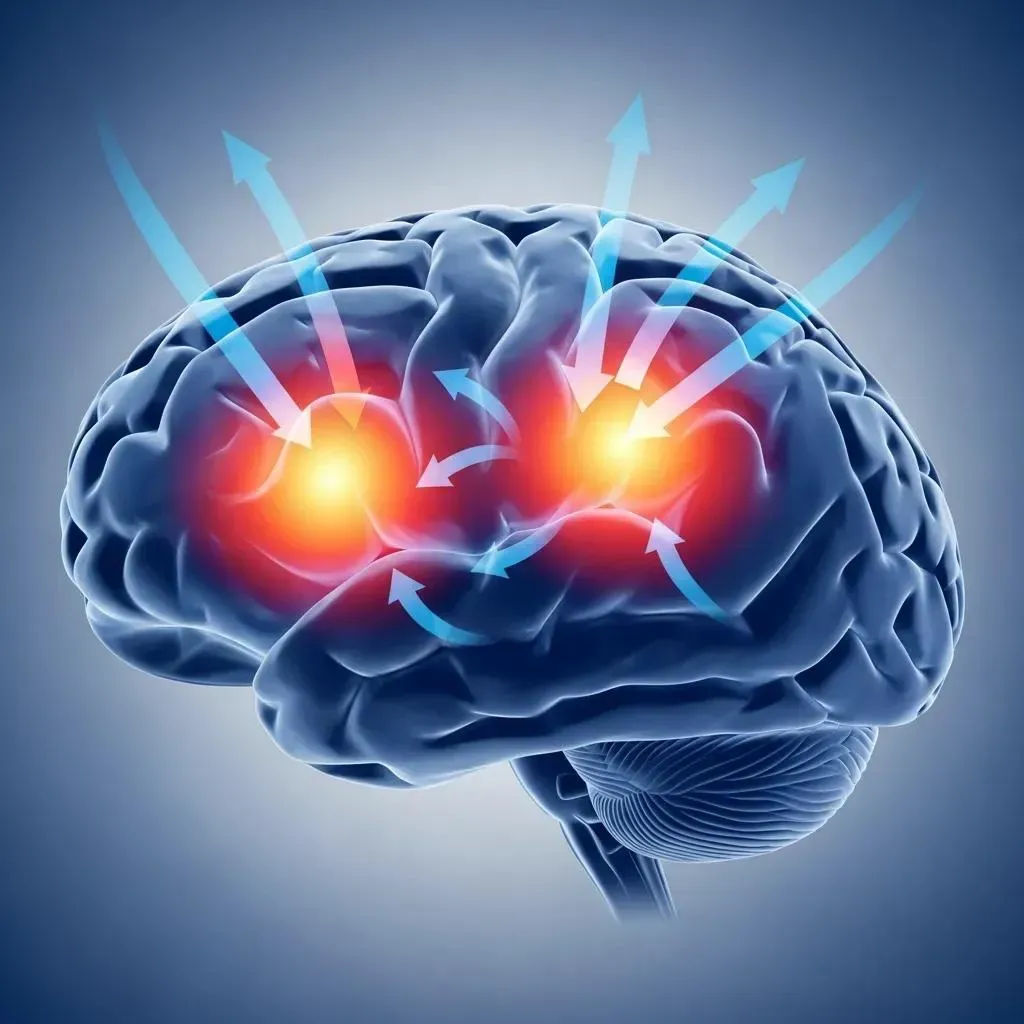
How TMS Stimulates Brain Regions to Improve Mental Health

TMS therapy stimulates specific brain regions associated with mood regulation and emotional processing. By targeting areas such as the prefrontal cortex, TMS enhances neural connectivity and promotes the release of neurotransmitters like serotonin and dopamine. This stimulation not only helps alleviate symptoms of depression and anxiety but also fosters neuroplasticity, allowing the brain to adapt and reorganize itself in response to new experiences. As a result, patients may experience lasting improvements in their mental health and overall well-being.
Further research continues to explore how TMS protocols, such as iTBS, can enhance neuroplasticity and improve clinical symptoms in major depressive disorder.
TMS & Neuroplasticity for Major Depression
on neuroplasticity and on clinical symptoms. This study compares the effect of iTBS and a session duration, on motor excitability and neuroplasticity and on clinical symptoms in MDD.
Enhancing neuroplasticity in major depression: A novel 10 Hz-rTMS protocol is more effective than iTBS, 2024
What Are the Benefits and Success Rates of TMS Therapy at Riverview?
TMS therapy offers numerous benefits for individuals seeking relief from depression and anxiety. Some of the key advantages include:
- Non-Invasive Treatment: TMS therapy does not require surgery or anesthesia, making it a safe option for many patients.
- Minimal Side Effects: Unlike traditional antidepressants, TMS has fewer side effects, allowing patients to maintain their daily routines.
- High Success Rates: Approximately 50-70% of patients experience substantial reductions in depressive symptoms after completing a course of TMS therapy.
The success rates of TMS therapy at Riverview TMS Clinic reflect its effectiveness in treating mental health conditions, providing hope for those who have struggled with traditional treatment methods.
| Benefit | Success Rate | Evidence Level |
|---|---|---|
| Non-Invasive | High | Multiple studies |
| Minimal Side Effects | Moderate | Clinical trials |
| Substantial Symptom Reduction | 50-70% | Patient testimonials |
This table illustrates the key benefits of TMS therapy, highlighting its effectiveness and safety profile.
Clinical Effectiveness and FDA Clearance of TMS Therapy
TMS therapy has received FDA clearance for the treatment of major depressive disorder, underscoring its clinical effectiveness. Numerous studies have demonstrated its ability to significantly reduce symptoms of depression, with many patients experiencing long-lasting improvements. The therapy is backed by extensive research, including randomized controlled trials that validate its efficacy and safety. As a result, TMS has become a recognized treatment option for individuals seeking relief from mental health disorders.
Patient Testimonials Demonstrating Treatment Outcomes

Patient testimonials provide valuable insights into the effectiveness of TMS therapy. Many individuals report transformative experiences, highlighting improvements in mood, energy, and overall quality of life. These real-life accounts underscore the potential of TMS therapy to make a meaningful difference in the lives of those struggling with depression and anxiety.
- John D.: "After years of battling depression, TMS therapy gave me my life back. I feel more like myself than I have in years."
- Sarah L.: "The results were almost immediate. I noticed a significant change in my mood and energy levels after just a few sessions."
- Michael R.: "TMS therapy was a game-changer for me. I finally feel hopeful about the future."
These testimonials reflect the positive impact of TMS therapy on patients' lives, reinforcing its role as a valuable treatment option.
How Does Insurance Coverage and Cost Affect TMS Therapy in Riverview?
Understanding the financial aspects of TMS therapy is crucial for patients considering this treatment. Insurance coverage for TMS therapy can vary, with some plans fully covering the cost while others may require out-of-pocket expenses. It is essential for patients to verify their insurance benefits and discuss coverage options with their provider.
The typical cost of TMS therapy ranges from $300 to $500 per session, depending on the clinic and treatment plan. Patients should also inquire about any financial assistance programs that may be available to help offset costs.
Overview of TMS Therapy Cost and Payment Options in Riverview
The cost of TMS therapy can vary based on several factors, including the type of treatment and the number of sessions required. Here is a breakdown of the typical costs associated with TMS therapy:
- Standard TMS (per session): $200–$500
- Full Standard TMS Course: $6,000–$12,000
- ONE-D Accelerated TMS: $2,800
- SAINT TMS (5-day accelerated): $6,000–$12,000
- iTBS (20 sessions): $4,000–$6,000
This overview provides patients with a clear understanding of the financial commitment involved in TMS therapy, allowing for informed decision-making.
Which Insurance Plans Cover TMS Therapy at Riverview TMS Clinic?
Several major insurance plans cover TMS therapy, making it accessible to a broader range of patients. Coverage criteria may vary, so it is important for individuals to check with their insurance provider to determine eligibility. Commonly accepted insurance plans include:
- Aetna
- Cigna
- UnitedHealthcare
- Blue Cross Blue Shield
Patients are encouraged to contact their insurance company for specific details regarding coverage and any necessary pre-authorization requirements.
How Can Patients Schedule a Consultation and Access Mental Health Services Near Riverview?
Scheduling a consultation for TMS therapy is a straightforward process. Patients can reach out to the Riverview TMS Clinic by phone to discuss their symptoms and treatment options. The clinic's staff will guide individuals through the initial consultation process, ensuring that they receive personalized care tailored to their needs.
To schedule a consultation, patients can call (813) 867-2378. The team at Florida TMS Clinic is dedicated to providing compassionate support and expert guidance throughout the treatment journey.
Steps to Book a Personalized TMS Therapy Consultation
Booking a consultation for TMS therapy involves a few simple steps:
- Contact the Clinic: Call (813) 867-2378 to speak with a representative.
- Discuss Symptoms: Share your mental health history and current symptoms to determine if TMS therapy is appropriate.
- Schedule an Appointment: Set a date and time for your initial consultation to discuss treatment options.
These steps ensure that patients receive the necessary information and support to make informed decisions about their mental health care.
Local Mental Health Clinics and Support Resources in Riverview
In addition to TMS therapy, Riverview offers various mental health clinics and support resources for individuals seeking assistance. Some notable local resources include:
- Riverview Behavioral Health- Provides comprehensive mental health services.
- Community Support Groups- Various organizations offer support for individuals dealing with mental health challenges.
These resources complement TMS therapy, providing patients with a holistic approach to mental health care.