TMS Therapy in Tampa at Florida TMS Clinic: Effective Depression and Anxiety Treatment Options

Transcranial Magnetic Stimulation (TMS) therapy is an innovative treatment option for individuals struggling with depression and anxiety. This non-invasive procedure utilizes magnetic pulses to stimulate specific areas of the brain, promoting healing and improving mental health. At Florida TMS Clinic, we specialize in providing TMS therapy in Tampa, offering hope to those who have not found relief through traditional methods. In this article, we will explore the mechanisms of TMS therapy, its benefits, eligibility criteria, and how to schedule a consultation at our clinic.
What is Transcranial Magnetic Stimulation Therapy?
Transcranial Magnetic Stimulation (TMS) therapy is a non-invasive treatment designed to alleviate symptoms of depression and anxiety. It works by delivering magnetic pulses to targeted brain regions, which can help regulate mood and emotional responses. TMS therapy is particularly beneficial for individuals who have not responded to conventional treatments, such as medication or psychotherapy. By stimulating nerve cells in the brain, TMS therapy aims to restore normal brain function and improve overall mental health.
How does TMS therapy work to treat depression and anxiety?
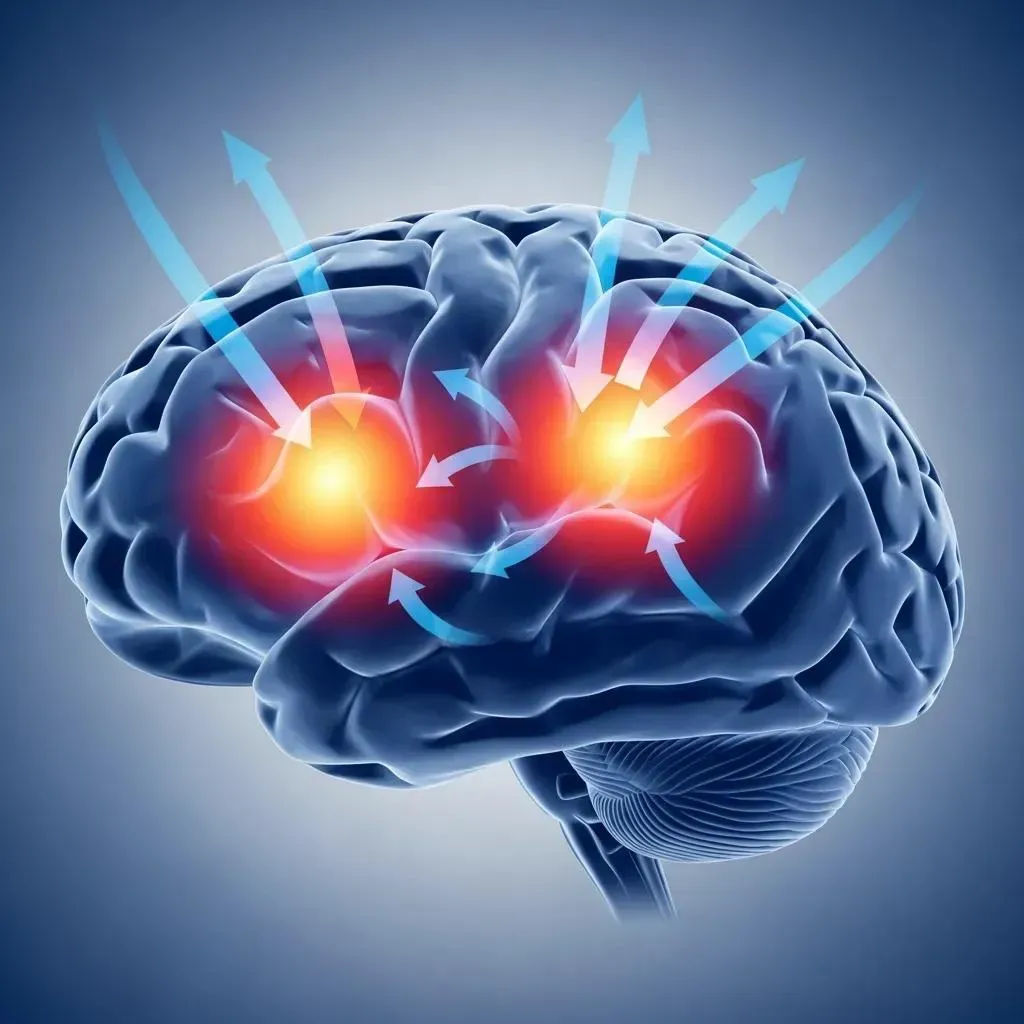
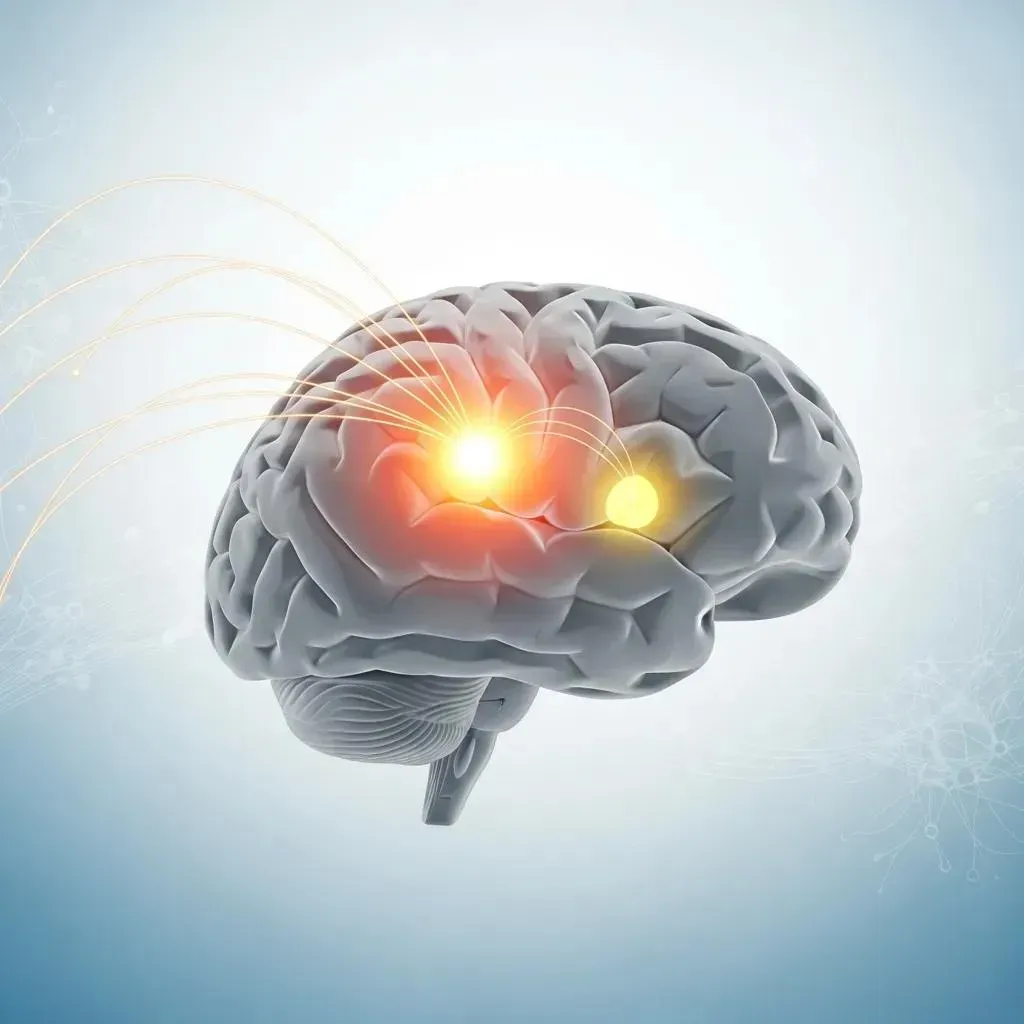
TMS therapy operates by using magnetic fields to induce electrical currents in specific areas of the brain associated with mood regulation. These magnetic pulses target the prefrontal cortex, which is often underactive in individuals with depression and anxiety. By stimulating this region, TMS therapy enhances neural activity, leading to improved mood and emotional stability. The expected outcomes of TMS therapy include a reduction in depressive symptoms and an overall enhancement in quality of life.
The therapeutic effects of TMS are rooted in its ability to modulate specific brain circuits and promote synaptic neuroplasticity.
Mechanisms of TMS Action in Depression Treatment
Transcranial magnetic stimulation (TMS) is entering increasingly widespread use in treating depression. Symptom improvement during therapeutic DLPFC-TMS appears to involve directional changes in signaling between the DLPFC, subgenual and dorsal anterior cingulate cortex, and salience-network regions. The durability of therapeutic effects for TMS involves synaptic neuroplasticity, and specifically may depend upon dopamine acting at the D1 receptor family, as well as NMDA-receptor-dependent synaptic plasticity mechanisms.
Cognitive effects of focal neuromodulation in neurological and psychiatric disorders, IJ Sewell, 2024
What makes TMS a non-invasive and safe treatment option?
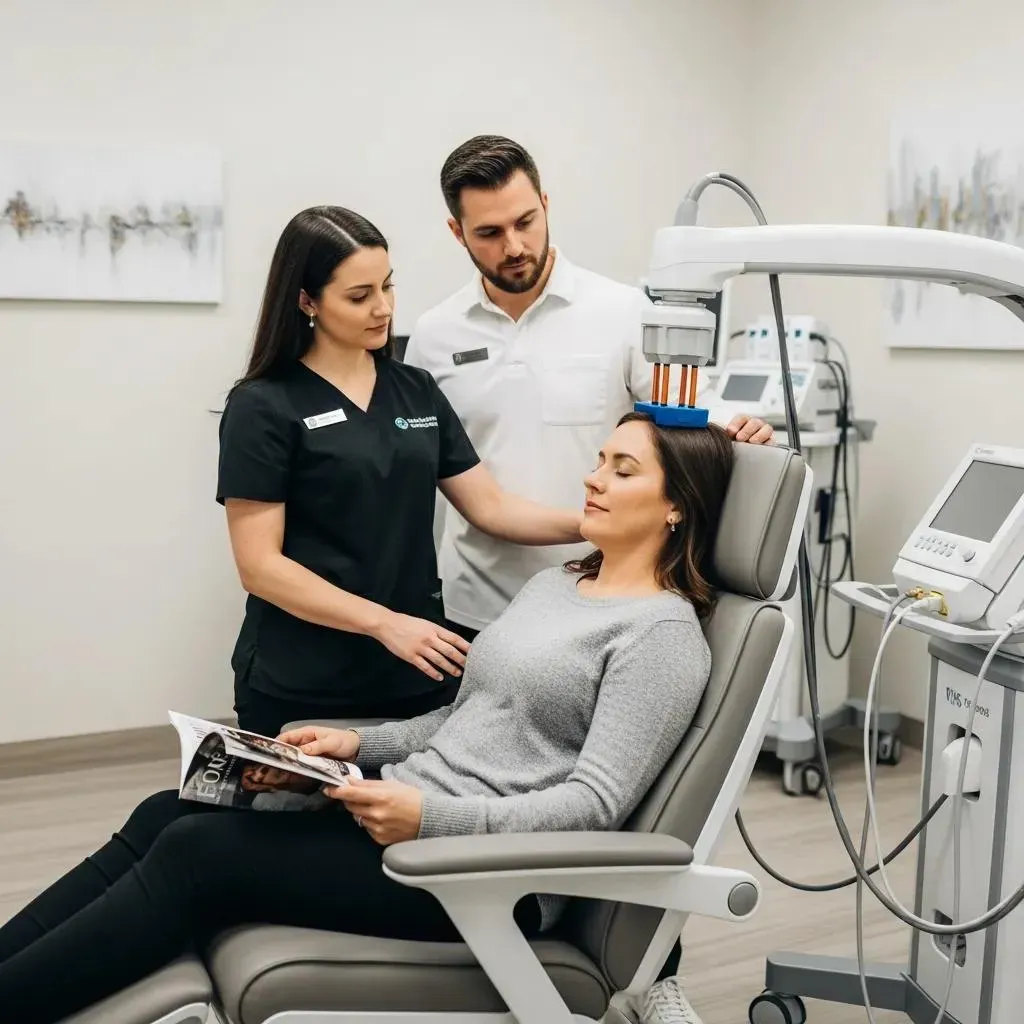
One of the key advantages of TMS therapy is its non-invasive nature. Unlike surgical interventions, TMS does not require anesthesia or any incisions, making it a safer alternative for many patients. The procedure is FDA-approved and has been shown to have minimal side effects, which may include mild discomfort at the treatment site or headaches. These side effects are generally transient and resolve shortly after the session. The safety profile of TMS therapy makes it an appealing option for those seeking effective mental health treatments without the risks associated with invasive procedures.
Further research supports the safety and cognitive benefits of focal neuromodulation techniques like TMS for psychiatric disorders.
TMS: Promising & Safe Neuromodulation for Psychiatric Disorders
Focal direct-to-brain neuromodulation approaches, such as repetitive transcranial magnetic stimulation (TMS), hold tremendous therapeutic promise for challenging-to-treat neurological and psychiatric disorders. These interventions modulate brain circuits that contribute to clinical symptoms. Our findings indicate that focal neuromodulation is generally safe from a cognitive standpoint and, in some cases, can improve aspects of cognition.
Cognitive effects of focal neuromodulation in neurological and psychiatric disorders, IJ Sewell, 2024
Who is Eligible for TMS Therapy in Tampa?
Eligibility for TMS therapy typically includes individuals diagnosed with major depressive disorder or anxiety disorders who have not achieved satisfactory results from traditional treatments. Patients must meet specific criteria, such as having a history of medication failure or inadequate response to psychotherapy. A thorough evaluation by a qualified clinician is essential to determine if TMS therapy is the right fit for each individual.
What conditions does TMS therapy effectively address?
TMS therapy is primarily used to treat several mental health conditions, including:
- Major Depressive Disorder: TMS has shown significant efficacy in reducing symptoms of depression, particularly in treatment-resistant cases.
- Anxiety Disorders: Patients with generalized anxiety disorder or panic disorder may benefit from TMS therapy.
- Obsessive-Compulsive Disorder (OCD): Research indicates that TMS can help alleviate OCD symptoms.
These conditions represent a growing area of interest for TMS therapy, as more individuals seek non-invasive alternatives for mental health treatment.
Studies consistently demonstrate the effectiveness of TMS, particularly for individuals with treatment-resistant depression and co-occurring anxiety symptoms.
TMS Efficacy for Treatment-Resistant Depression & Anxiety
The use of Transcranial Magnetic Stimulation (TMS) in the add-on treatment of patients with treatment-resistant depression (TRD) is becoming more common. This study aims to investigate the efficacy of TMS on depression and accompanying anxiety symptoms among patients with TRD. A statistically significant decrease was found in the Hamilton Depression Rating Scale (HAM-D) and Hamilton Anxiety Rating Scale (HAM-A) in the group who were actively stimulated.
Efficacy of transcranial magnetic stimulation in treatment-resistant depression, NK Oğuzhanoğlu, 2022
How do clinicians determine patient suitability for TMS treatment?
Clinicians assess patient suitability for TMS therapy through a comprehensive evaluation process. This includes reviewing the patient's medical history, current mental health status, and previous treatment responses. The importance of a thorough evaluation cannot be overstated, as it ensures that TMS therapy is tailored to the individual's specific needs and conditions. Clinicians may also consider factors such as the severity of symptoms and the presence of co-occurring disorders.
What Are the Benefits and Expected Outcomes of TMS Therapy?

TMS therapy offers numerous benefits for individuals seeking relief from depression and anxiety. Some of the key advantages include:
- Non-invasive Treatment: TMS does not require surgery or anesthesia, making it a safer option for many patients.
- High Success Rate: Many patients experience significant improvements in their symptoms, with some achieving full remission.
- Improvements in Quality of Life: TMS therapy can lead to enhanced emotional well-being and overall life satisfaction.
For those considering TMS therapy, Florida TMS Clinic provides a supportive environment to explore this innovative treatment option. To schedule a consultation, contact us at (813) 867-3646.
How does TMS therapy improve mood and mental health?
TMS therapy improves mood and mental health by directly targeting the brain's neural pathways involved in emotional regulation. By enhancing the activity of the prefrontal cortex, TMS therapy helps restore balance to neurotransmitter levels, which are often disrupted in individuals with depression and anxiety. This restoration can lead to improved mood, increased emotional stability, and a greater sense of well-being. Many patients report feeling more engaged and motivated in their daily lives following TMS treatment.
What patient testimonials demonstrate TMS therapy success?
Patient testimonials highlight the transformative impact of TMS therapy on mental health. Many individuals share stories of how TMS has helped them regain control over their lives, reduce anxiety, and improve their overall outlook. These real-life success stories serve as powerful reminders of the potential benefits of TMS therapy for those struggling with mental health challenges.
How to Schedule a Consultation and Understand TMS Therapy Costs in Tampa?

Scheduling a consultation for TMS therapy at Florida TMS Clinic is a straightforward process. Interested individuals can reach out to our clinic by calling (813) 867-3646. During the consultation, our team will discuss the treatment process, answer any questions, and provide an overview of the costs associated with TMS therapy. Understanding the financial aspects is crucial for patients as they consider this treatment option.
What insurance options and payment plans are available for TMS therapy?
Florida TMS Clinic accepts various insurance plans that may cover TMS therapy. Patients are encouraged to inquire about their specific insurance coverage during the consultation. Additionally, we offer flexible payment plans to accommodate different financial situations, ensuring that individuals can access the mental health care they need without undue financial burden.
How to prepare for your initial consultation at Florida TMS Clinic?
Preparing for your initial consultation at Florida TMS Clinic involves a few key steps:
- Gather Medical History: Bring any relevant medical records or documentation regarding previous treatments.
- List Current Medications: Provide a list of medications you are currently taking, including dosages.
- Prepare Questions: Write down any questions or concerns you may have about TMS therapy to discuss during the consultation.
By taking these steps, you can ensure a productive and informative initial consultation, setting the stage for a successful TMS therapy experience.