TMS Therapy in Wesley Chapel: Expert Depression and Anxiety Treatment at Florida TMS Clinic

Transcranial Magnetic Stimulation (TMS) therapy is a groundbreaking treatment for individuals suffering from depression and anxiety, offering a non-invasive alternative to traditional methods. This article will explore the mechanisms, benefits, and eligibility criteria for TMS therapy, specifically at the Florida TMS Clinic in Wesley Chapel. Many individuals struggle with mental health issues that do not respond to conventional treatments, leading to a search for effective solutions. TMS therapy presents a promising option, utilizing magnetic stimulation to target specific areas of the brain. We will delve into how TMS works, who qualifies for treatment, the process involved, and the insurance options available for patients seeking this innovative therapy.
What is Transcranial Magnetic Stimulation Therapy?
Transcranial Magnetic Stimulation (TMS) therapy is a non-invasive procedure that uses magnetic fields to stimulate nerve cells in the brain. This innovative treatment is primarily used to alleviate symptoms of depression and anxiety, particularly in patients who have not found relief through traditional medications. TMS therapy works by targeting specific areas of the brain associated with mood regulation, promoting neuroplasticity and enhancing overall mental health. The benefits of TMS therapy include a significant reduction in depressive symptoms and improved emotional well-being, making it a valuable option for those struggling with mental health disorders.
Research consistently highlights the efficacy of repetitive transcranial magnetic stimulation (rTMS) as a non-invasive treatment for major depression.
rTMS: Non-Invasive Treatment for Major Depression
The potential of noninvasive neurostimulation by repetitive transcranial magnetic stimulation (rTMS) for improving psychiatric disorders has been studied increasingly over the past two decades. This is especially the case for major depression and for auditory-verbal hallucinations in schizophrenia. The present review briefly describes the background of this novel treatment modality and summarizes evidence from clinical trials into the efficacy of rTMS for depression and hallucinations.
Use of repetitive transcranial magnetic stimulation for treatment in psychiatry, A Aleman, 2013
How does TMS therapy work to treat depression and anxiety?
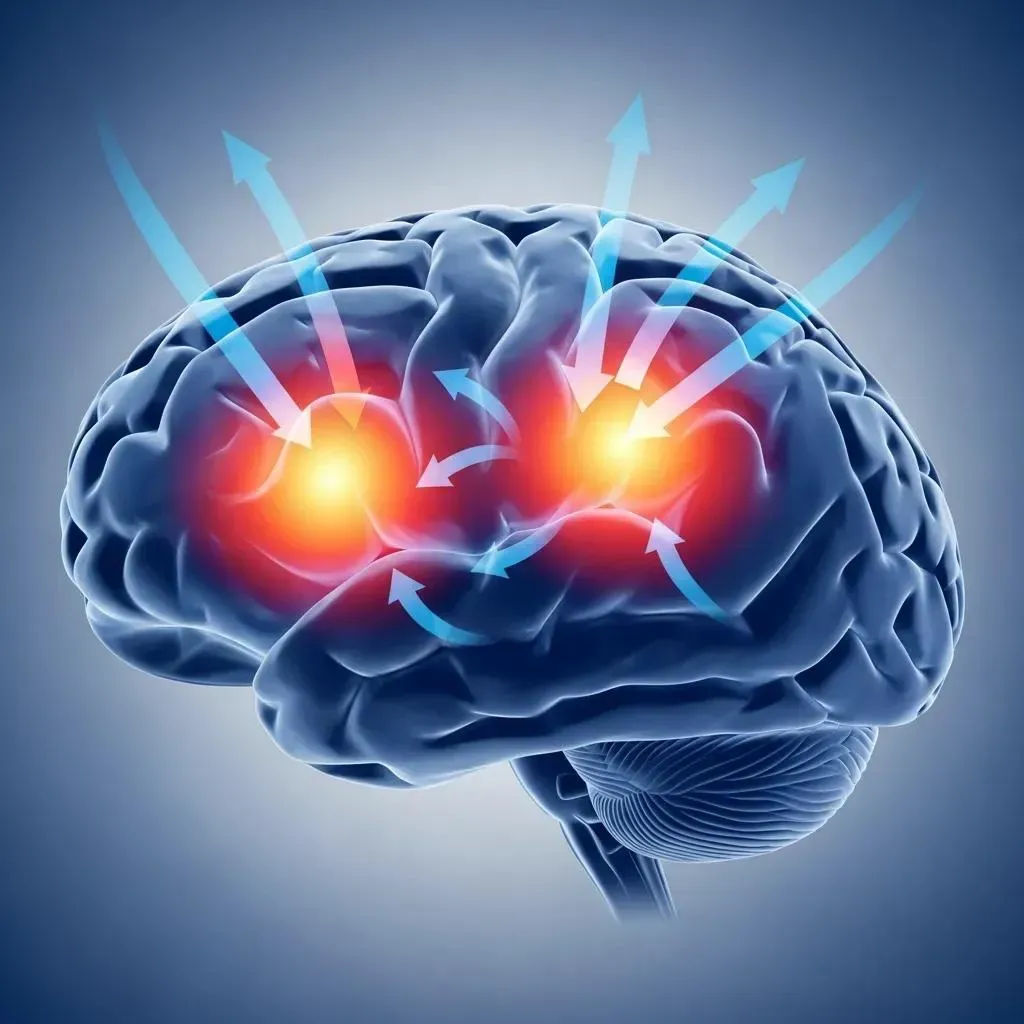
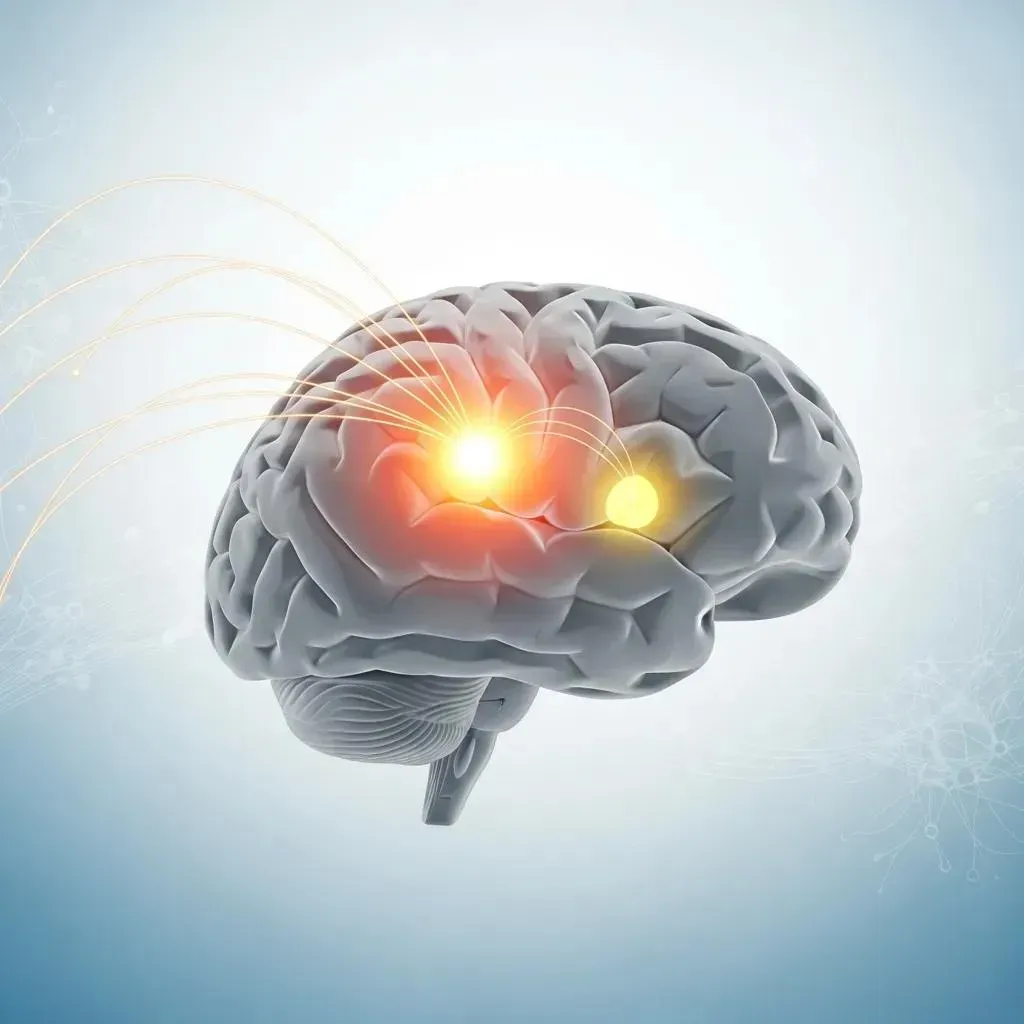
TMS therapy operates by delivering magnetic pulses to the brain, specifically targeting the prefrontal cortex, which is often underactive in individuals with depression. These magnetic pulses induce electrical currents that stimulate nerve cells, enhancing their activity and promoting the release of neurotransmitters such as serotonin and dopamine. This mechanism not only helps to alleviate symptoms of depression but also improves overall mood and cognitive function. Patients can expect a gradual improvement in their mental health, with many reporting significant changes within a few weeks of starting treatment.
Further studies delve into the specific mechanisms of deep transcranial magnetic stimulation (TMS) and its effectiveness in treating drug-resistant major depressive disorder.
Deep TMS: Mechanisms & Treatment for Depression
AbstractDeep transcranial magnetic stimulation (TMS) is a technique of neuromodulation and neurostimulation based on the principle of electromagnetic induction of an electric field in the brain. The coil (H-coil) used in deep TMS is able to modulate cortical excitability up to a maximum depth of 6 cm and is therefore able not only to modulate the activity of the cerebral cortex but also the activity of deeper neural circuits. Deep TMS is largely used for the treatment of drug-resistant major depressive disorder (MDD) and is being tested to treat a very wide range of neurological, psychiatric and medical conditions.
Deep transcranial magnetic stimulation as a treatment for psychiatric disorders: a comprehensive review, FS Bersani, 2013
Who is Eligible for TMS Therapy at Florida TMS Clinic?
Eligibility for TMS therapy at the Florida TMS Clinic is determined based on several criteria. Patients must be at least 18 years old and have a diagnosis of major depressive disorder or anxiety disorders that have not responded to traditional treatments. Additionally, individuals with a history of seizures or certain neurological conditions may not qualify for TMS therapy. A thorough evaluation by a qualified healthcare professional is essential to determine if TMS is the right treatment option for each patient.
What medical conditions qualify for TMS treatment in Wesley Chapel?
TMS therapy is primarily indicated for the following medical conditions:
- Major Depressive Disorder: TMS is particularly effective for patients who have not responded to antidepressant medications.
- Anxiety Disorders: This includes generalized anxiety disorder and panic disorder, where TMS can help alleviate symptoms.
- Obsessive-Compulsive Disorder (OCD): TMS has shown promise in reducing the severity of OCD symptoms.
The application of rTMS extends beyond depression, with significant research exploring its impact on various anxiety disorders.
rTMS for Anxiety Disorders: A Critical Review
Transcranial magnetic stimulation (TMS) has been applied to a growing number of psychiatric disorders as a treatment modality. This review focuses on the effect of rTMS on anxiety disorders.
Neurobiology of repeated transcranial magnetic stimulation in the treatment of anxiety: a critical review, S Pallanti, 2009
What Does the TMS Treatment Process Involve?
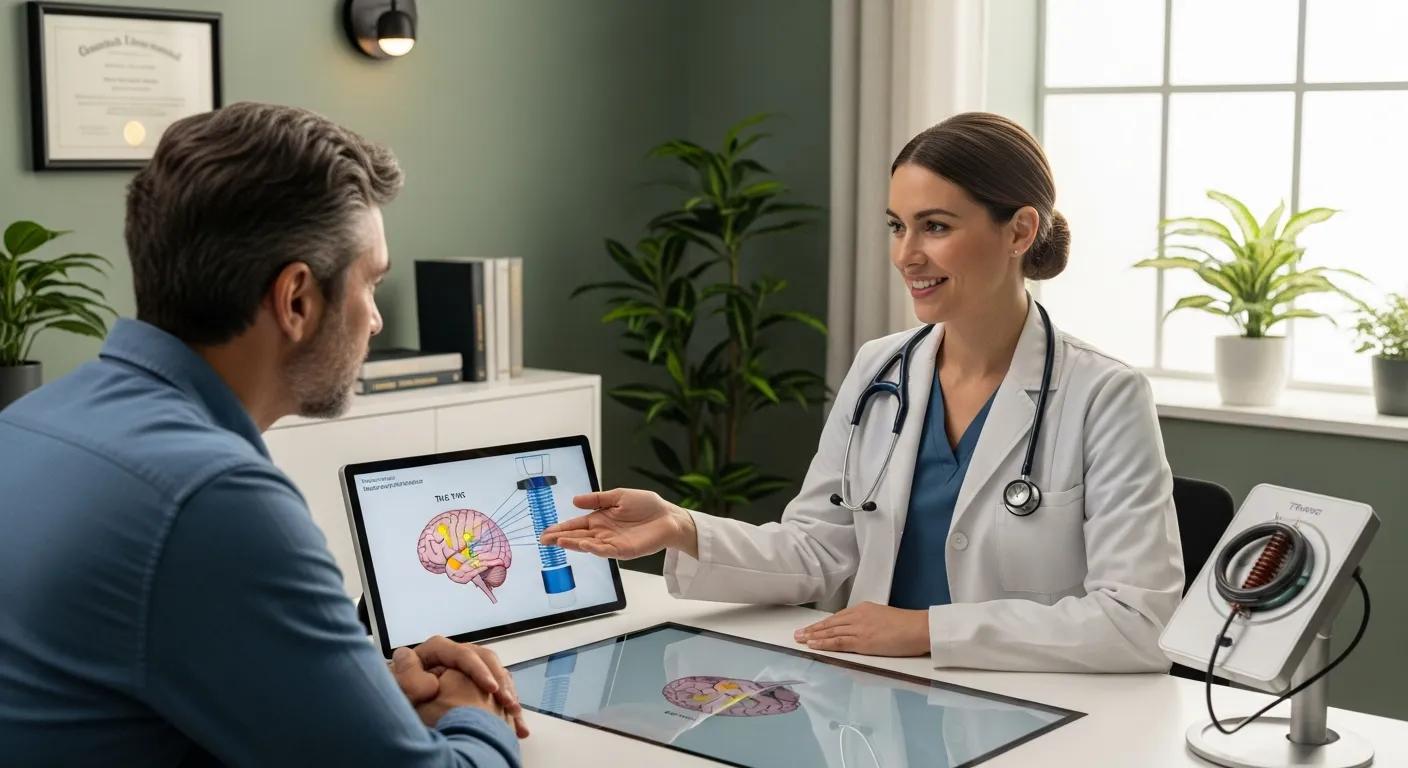
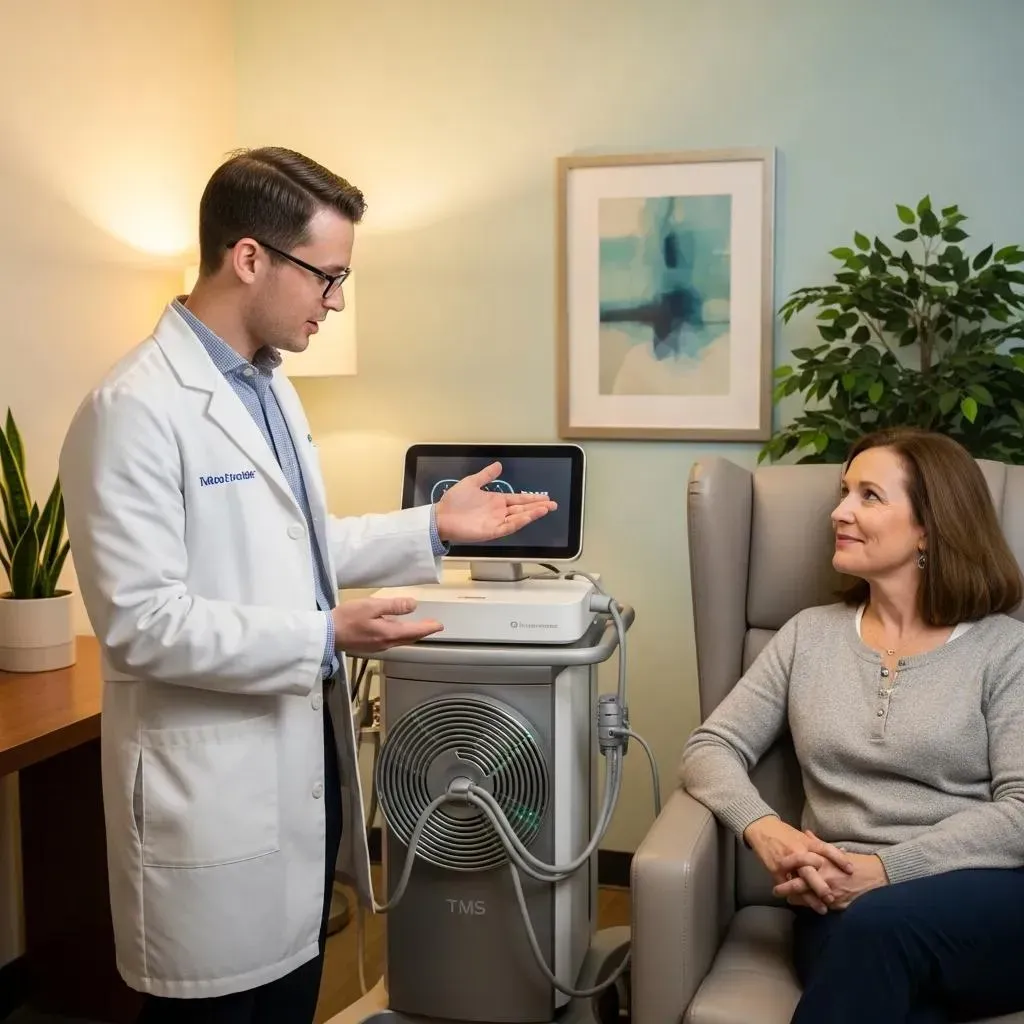
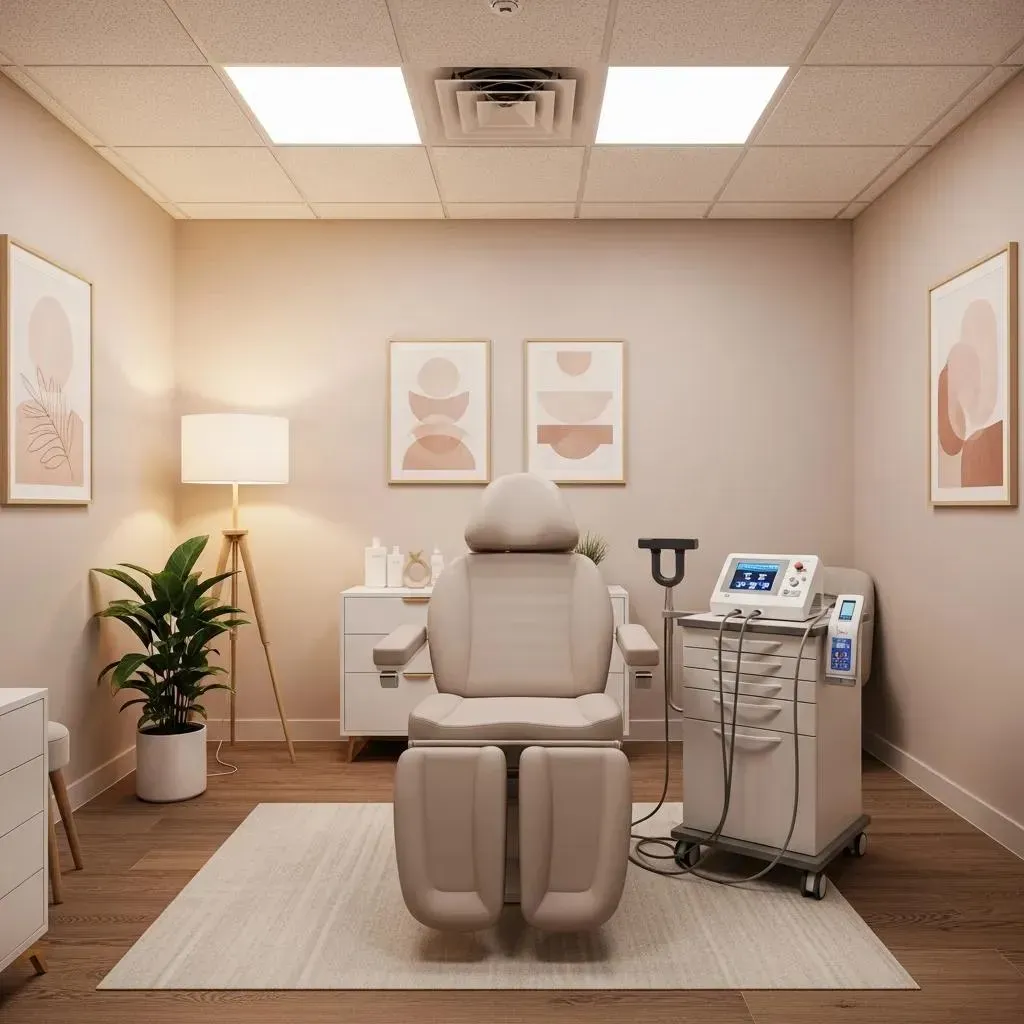
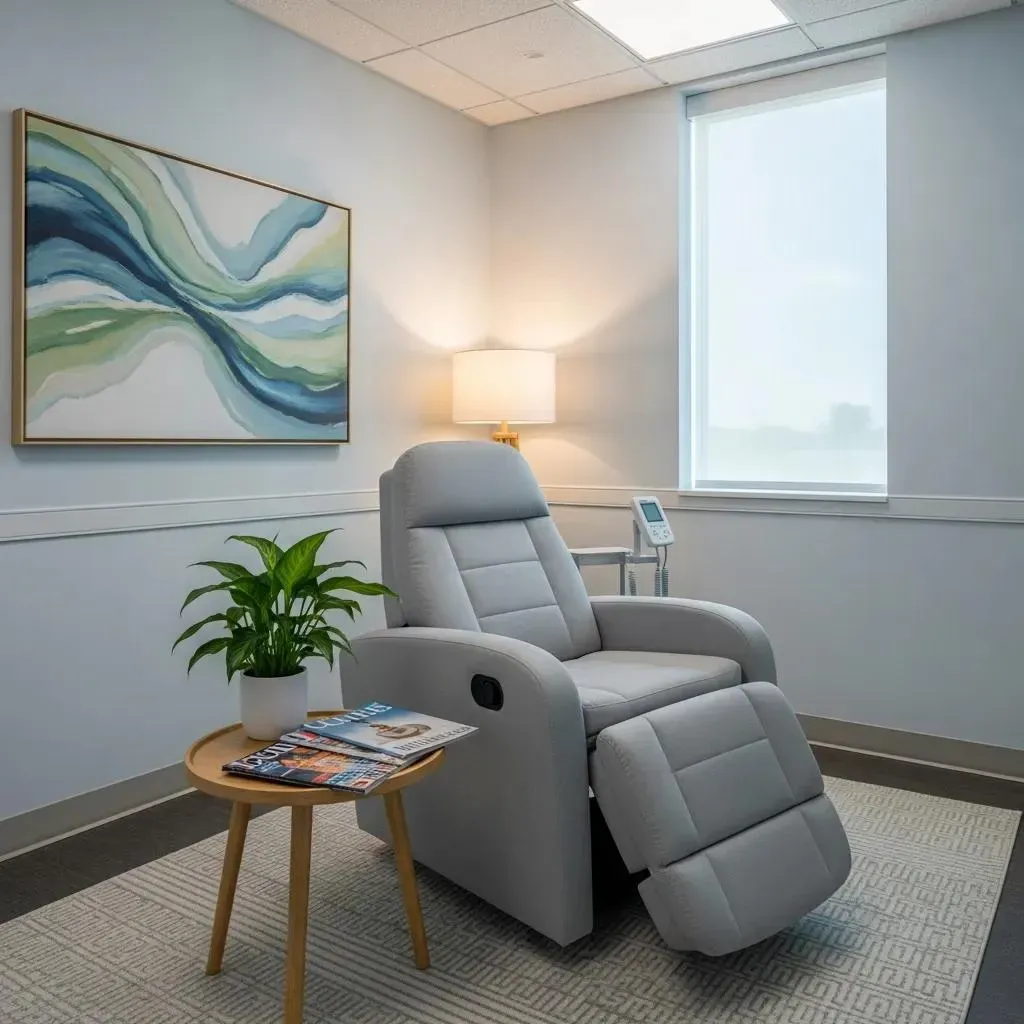
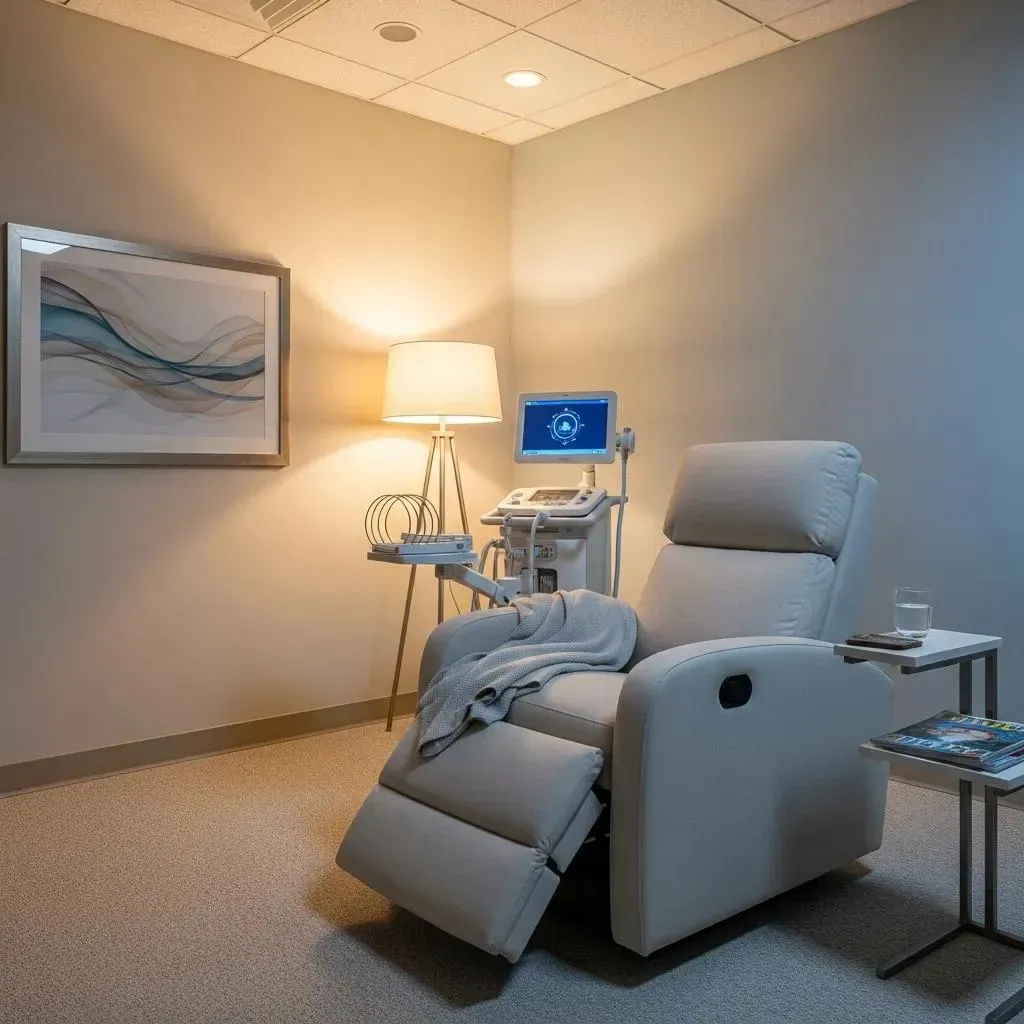
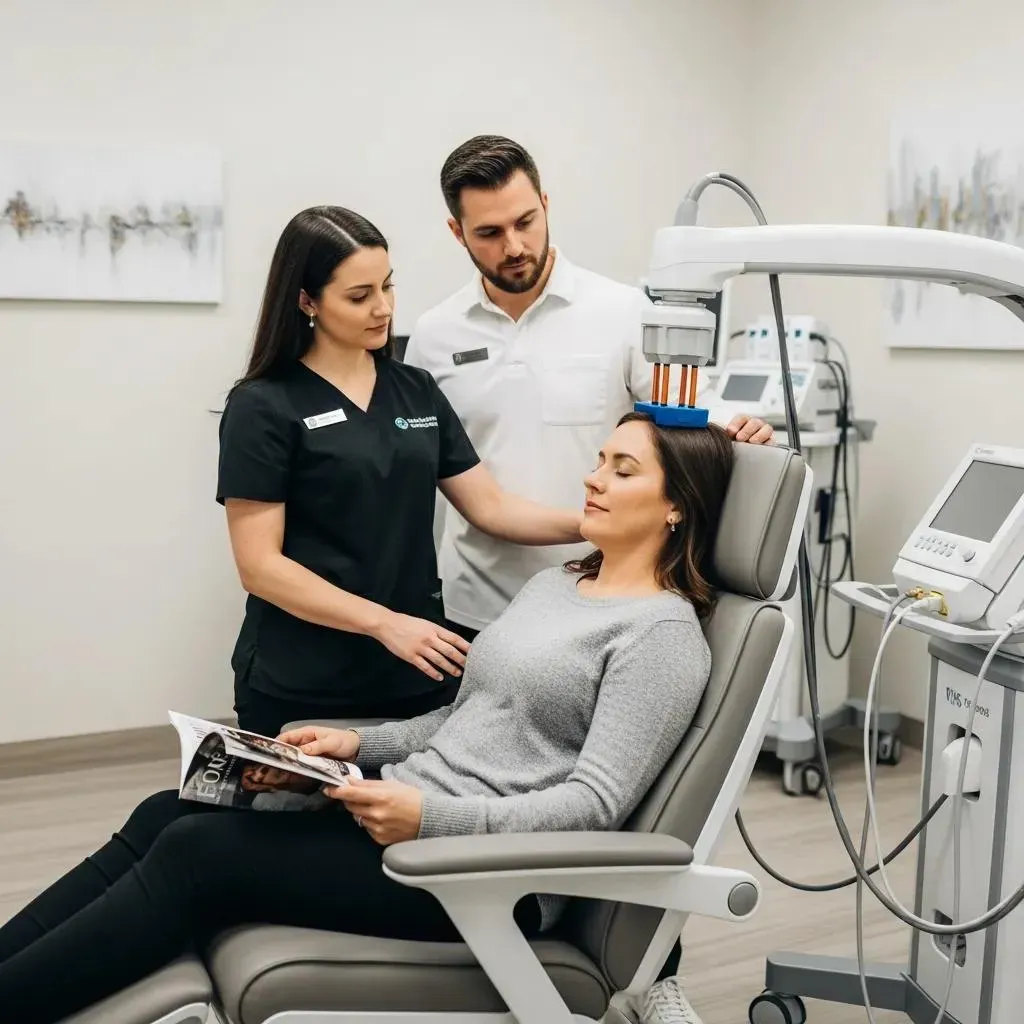
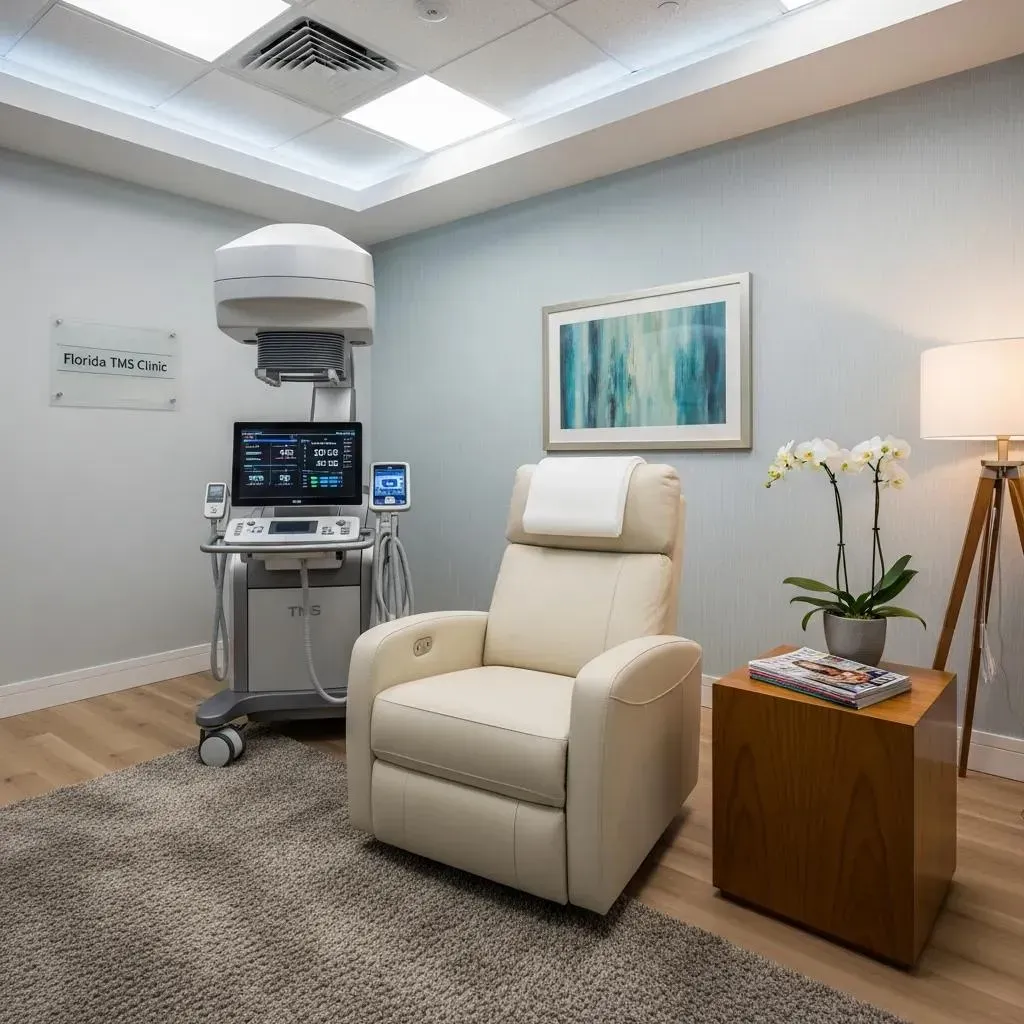
The TMS treatment process begins with an initial consultation, where a healthcare provider will assess the patient's medical history and mental health status. Following this evaluation, patients undergo a mapping session to identify the optimal location for magnetic stimulation. Each treatment session typically lasts about 20-40 minutes, during which patients relax in a comfortable chair while the TMS device delivers targeted magnetic pulses. The entire treatment course usually consists of 20-30 sessions over several weeks, depending on individual needs and responses to therapy.
How long is each TMS therapy session and overall treatment duration?
Each TMS therapy session lasts approximately 20-40 minutes, making it a convenient option for patients. The overall treatment duration typically spans 4-6 weeks, with sessions scheduled 5 days a week. Patients may begin to notice improvements in their symptoms within the first few weeks, with optimal results often achieved after completing the full course of treatment. Regular follow-up appointments are essential to monitor progress and make any necessary adjustments to the treatment plan.
What are the common side effects and safety measures of TMS therapy?
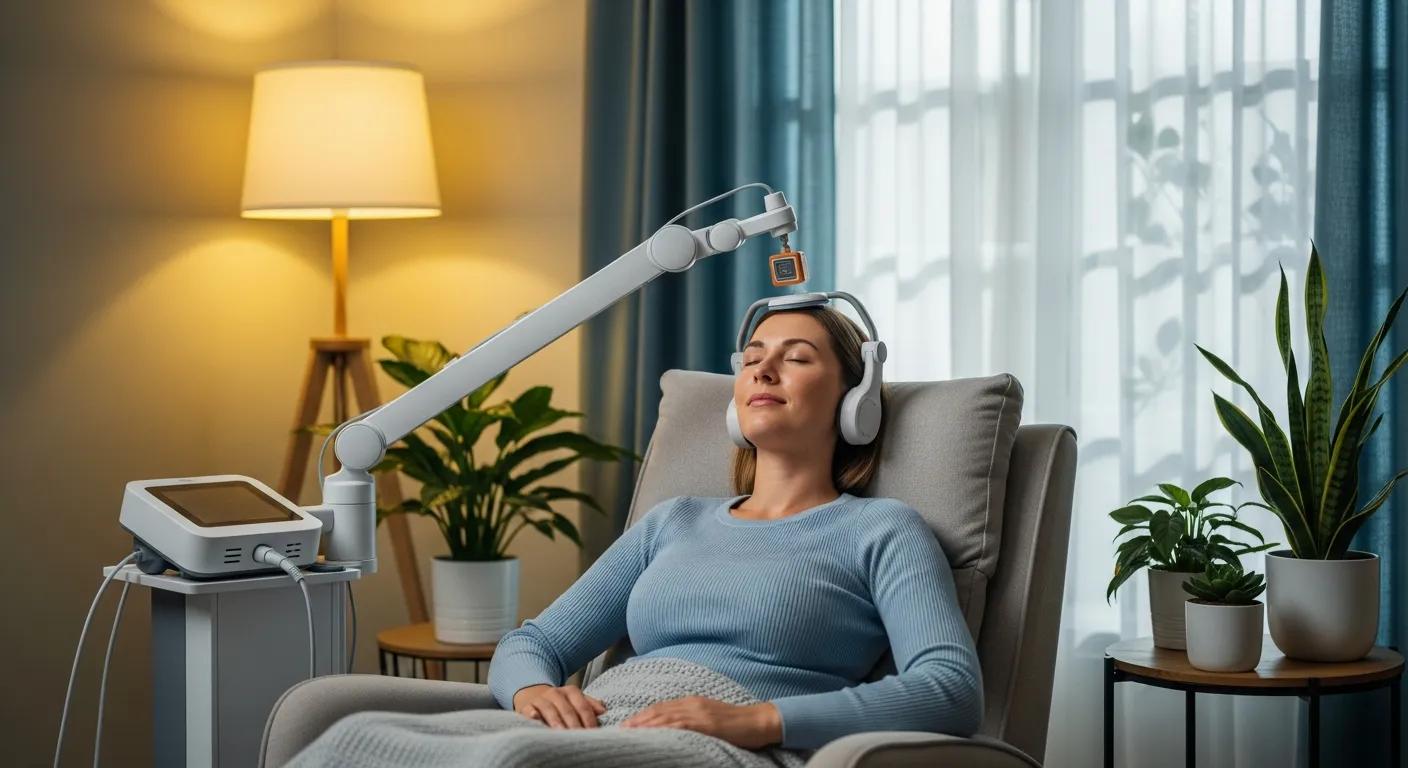
TMS therapy is generally well-tolerated, with minimal side effects. Common side effects may include:
- Headaches: Some patients may experience mild headaches following treatment, which usually resolve quickly.
- Scalp Discomfort: Discomfort at the site of stimulation is common but typically subsides shortly after the session.
- Lightheadedness: A few patients report feeling lightheaded during or after treatment.
Safety measures include thorough pre-treatment evaluations to ensure patients do not have contraindications, such as a history of seizures. The procedure is performed by trained professionals to minimize risks and ensure patient safety.
How Can Patients Access TMS Therapy: Insurance and Consultation Options
Accessing TMS therapy involves understanding insurance coverage and consultation options. Many insurance plans now cover TMS therapy, recognizing its effectiveness for treating depression and anxiety. Patients are encouraged to check with their insurance providers to confirm coverage details and any out-of-pocket costs. The Florida TMS Clinic offers consultations to discuss treatment options, insurance coverage, and financial assistance for those who may need it.
Does insurance cover TMS therapy in Wesley Chapel?
Insurance coverage for TMS therapy varies by provider and plan. Many major insurance companies recognize TMS as a legitimate treatment for depression and anxiety, often covering a significant portion of the costs. Patients should contact their insurance providers to inquire about specific coverage details, including any pre-authorization requirements. The Florida TMS Clinic staff can assist patients in navigating insurance questions and provide necessary documentation to facilitate the process.
How to schedule a consultation at Florida TMS Clinic?
Scheduling a consultation at the Florida TMS Clinic is straightforward. Interested patients can call the clinic directly at (813) 867-2378 to set up an appointment. During the consultation, patients will receive comprehensive information about TMS therapy, including the treatment process, expected outcomes, and any questions they may have. The clinic's staff is dedicated to providing support and guidance throughout the treatment journey, ensuring patients feel informed and comfortable with their choices.