Land O' Lakes TMS Treatment: Effective Transcranial Magnetic Stimulation Therapy for Depression and Anxiety

Transcranial Magnetic Stimulation (TMS) therapy has emerged as a groundbreaking treatment for individuals suffering from depression and anxiety, particularly those who have not found relief through traditional methods. This non-invasive procedure utilizes magnetic fields to stimulate nerve cells in the brain, offering a promising alternative for mental health care. In this article, we will explore the mechanisms of TMS therapy, its benefits, eligibility criteria, and how patients can access this innovative treatment at the Florida TMS Clinic. By understanding TMS, individuals can make informed decisions about their mental health care options.
What is Transcranial Magnetic Stimulation Therapy and How Does It Work?
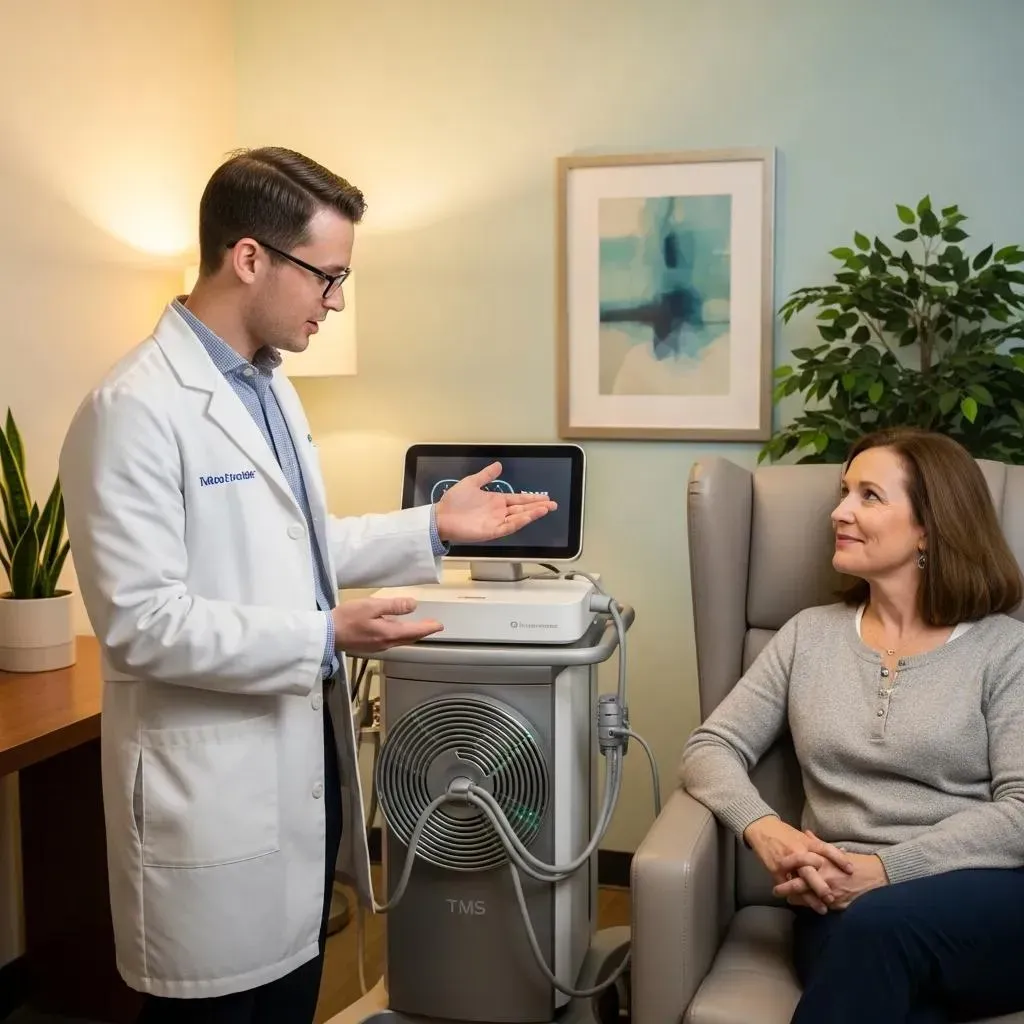
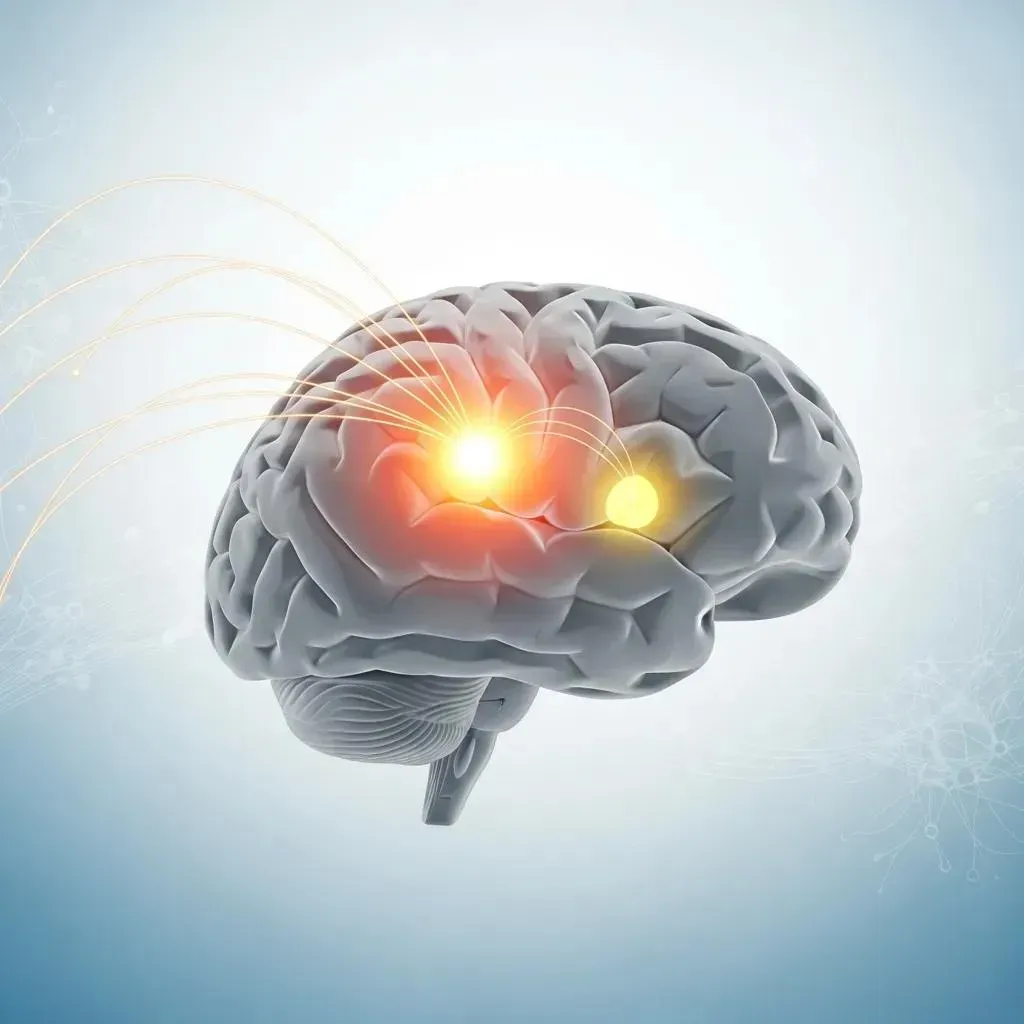
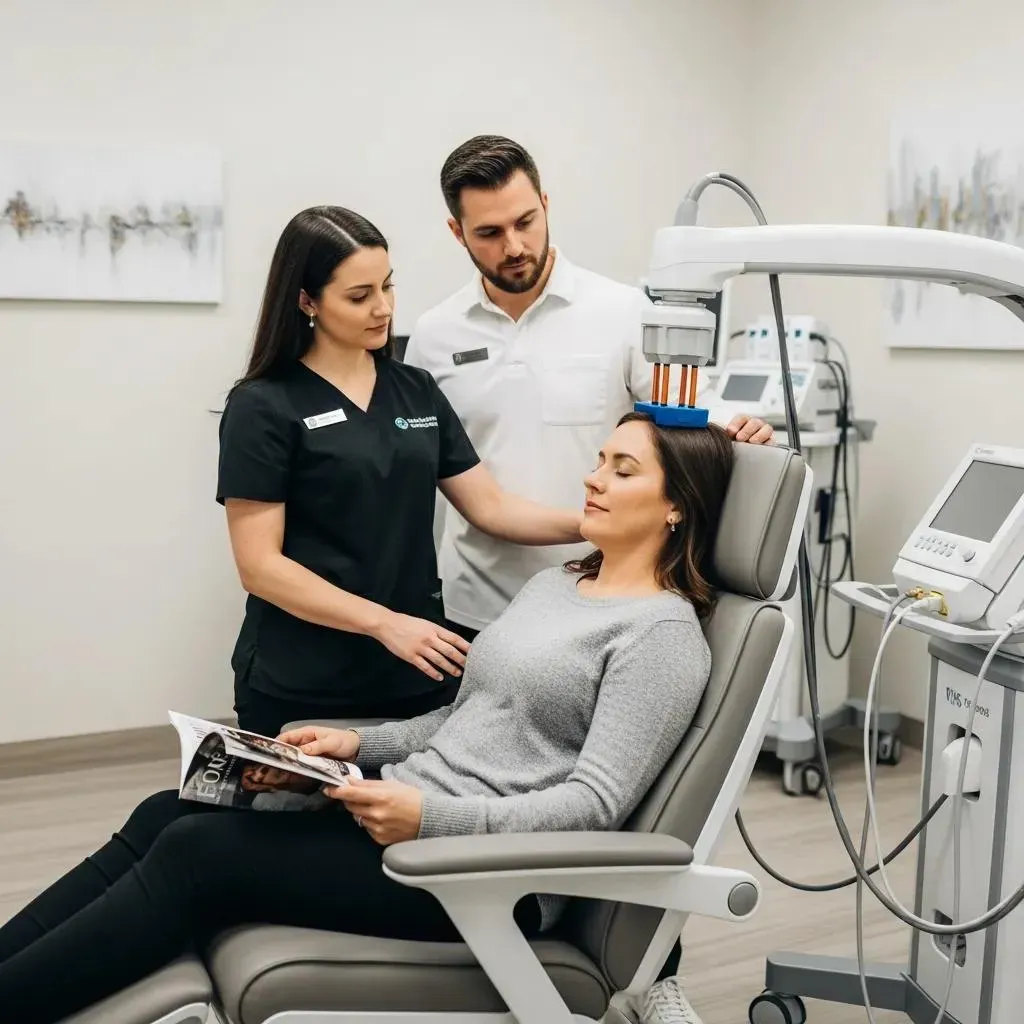
Transcranial Magnetic Stimulation (TMS) therapy is a non-invasive treatment that uses magnetic fields to stimulate nerve cells in the brain. This innovative approach targets specific areas associated with mood regulation, making it particularly effective for individuals suffering from depression and anxiety. The procedure involves placing a magnetic coil on the scalp, which generates magnetic pulses that penetrate the skull and activate nerve cells. This stimulation can lead to improved mood and reduced symptoms of depression and anxiety, providing a valuable option for those who have not responded to conventional treatments.
How does TMS stimulate brain regions related to mood regulation?

TMS stimulates brain regions related to mood regulation by delivering targeted magnetic pulses to the prefrontal cortex, an area of the brain involved in mood and emotional regulation. These magnetic pulses induce electrical currents that enhance neuronal activity, promoting the release of neurotransmitters such as serotonin and dopamine. This process helps to rebalance the brain's chemistry, which can be disrupted in individuals with depression and anxiety. By effectively stimulating these critical areas, TMS therapy can lead to significant improvements in mood and overall mental health.
What makes TMS a non-invasive treatment option for depression and anxiety?
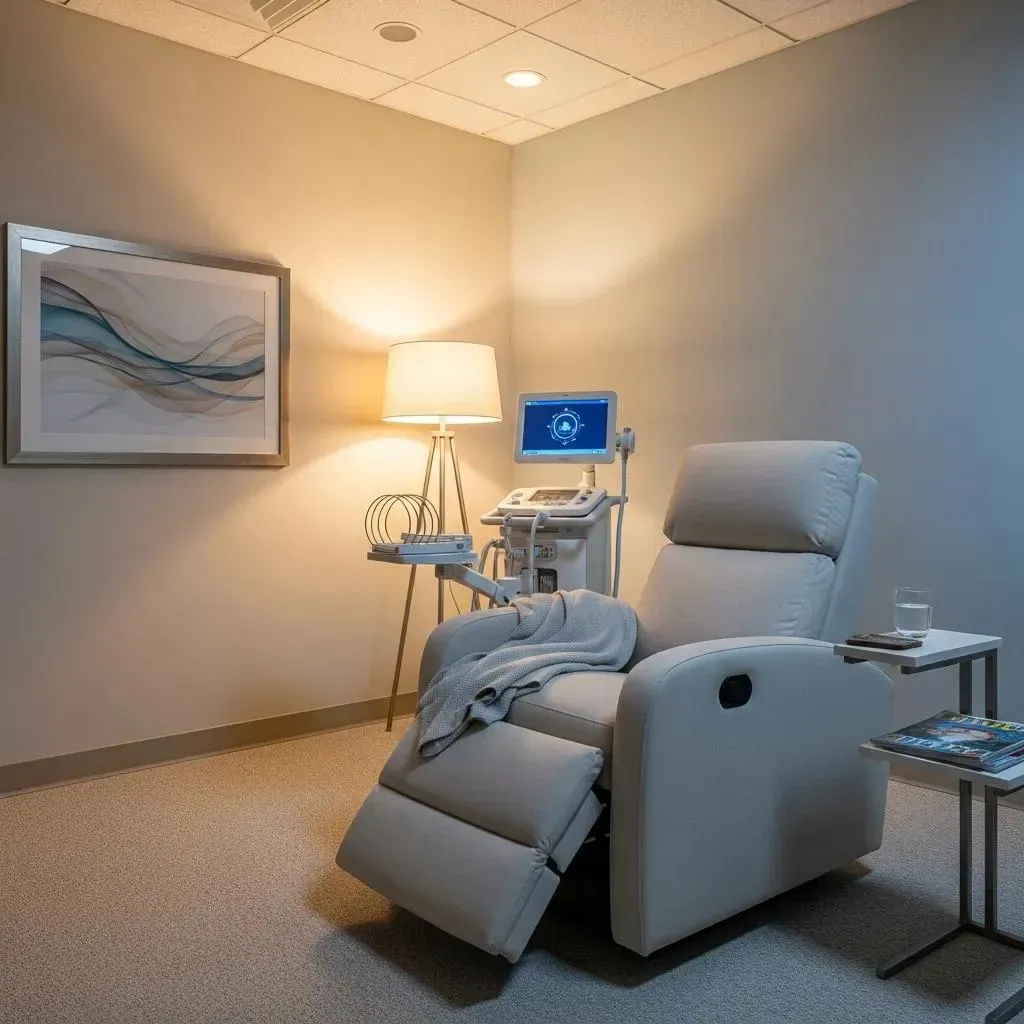
TMS is considered a non-invasive treatment option because it does not require surgery or anesthesia. The procedure is performed in an outpatient setting, allowing patients to return to their daily activities immediately after treatment. Additionally, TMS has minimal side effects compared to traditional antidepressant medications, which can often cause unwanted symptoms. Patients typically experience only mild discomfort at the site of stimulation, such as scalp irritation or headaches, which usually resolve quickly. This non-invasive nature, combined with its effectiveness, makes TMS an appealing choice for those seeking relief from depression and anxiety.
Who is Eligible for TMS Therapy at Land O' Lakes Clinic?
Eligibility for TMS therapy at the Florida TMS Clinic is determined based on several criteria. Patients must be at least 18 years old and have a diagnosis of major depressive disorder or generalized anxiety disorder. Additionally, candidates should have a history of treatment-resistant depression, meaning they have not responded adequately to at least one antidepressant medication or psychotherapy. A thorough evaluation by a qualified mental health professional is conducted to assess each patient's suitability for TMS therapy.
What are the criteria for patients with treatment-resistant depression and anxiety?
Patients with treatment-resistant depression and anxiety must meet specific criteria to be considered for TMS therapy. These include:
- Diagnosis of Severe Depression: Patients must have a confirmed diagnosis of major depressive disorder or generalized anxiety disorder.
- Failure of Antidepressant Trials: Individuals should have tried at least one or more antidepressant medications without achieving significant relief from their symptoms.
- Psychotherapy Failure: Patients who have undergone psychotherapy but did not experience sufficient improvement may also qualify for TMS therapy.
These criteria ensure that TMS therapy is offered to those who are most likely to benefit from this innovative treatment.
How is the consultation and patient evaluation process conducted?
The consultation and patient evaluation process for TMS therapy begins with an initial assessment at the Florida TMS Clinic. During this appointment, a mental health professional will review the patient's medical history, current symptoms, and previous treatment attempts. This comprehensive evaluation may include standardized questionnaires to assess the severity of depression or anxiety. Based on this information, the clinician will determine if the patient meets the eligibility criteria for TMS therapy and discuss the potential benefits and risks associated with the treatment.
What Are the Benefits and Safety Considerations of TMS Therapy?

TMS therapy offers several benefits for individuals struggling with depression and anxiety. Some of the key advantages include:
- Non-Invasive Treatment: TMS does not require surgery or anesthesia, making it a safe option for many patients.
- Minimal Side Effects: Compared to traditional antidepressants, TMS has fewer side effects, with most patients experiencing only mild discomfort.
- Effective for Treatment-Resistant Conditions: TMS has shown efficacy in patients who have not responded to other treatments, providing hope for those with chronic mental health issues.
What clinical evidence supports TMS effectiveness for depression and anxiety?
Clinical evidence supporting the effectiveness of TMS therapy for depression and anxiety is robust. Numerous studies have demonstrated that TMS can lead to significant reductions in depressive symptoms, with many patients experiencing remission. The therapy has received FDA approval for the treatment of major depressive disorder, and ongoing research continues to explore its applications for anxiety disorders. Meta-analyses of randomized controlled trials indicate that TMS is a safe and effective treatment option, with response rates ranging from 30% to 40% for patients with treatment-resistant depression.
Further research highlights the efficacy of rTMS, particularly for those who have not responded to multiple traditional treatments, and explores its potential for patients with fewer prior medication trials.
rTMS Efficacy & Coverage for Major Depressive Disorder
The clinical efficacy of repetitive transcranial magnetic stimulation (rTMS) in treatment resistant patients (at least 4 medication trials) appears to be well accepted and forms the coverage policies and rTMS’s use in many of the largest US payers. However, less is known about rTMS’s use in patients who have undergone ≤1 failed medication trial. The purpose of this analysis was to determine the clinical efficacy of rTMS in patients after ≤1 medication trials.
A systematic literature review of the clinical efficacy of repetitive transcranial magnetic stimulation (rTMS) in non-treatment resistant patients with major depressive …, L Carpenter, 2019
Are there any potential risks or side effects associated with TMS?
While TMS therapy is generally considered safe, there are some potential risks and side effects to be aware of. Common side effects include:
- Local Scalp Discomfort: Patients may experience mild discomfort or irritation at the site of stimulation.
- Headaches: Some individuals report headaches following treatment, which typically resolve quickly.
- Rare Serious Side Effects: Although extremely rare, there is a potential risk of seizures in individuals with a history of seizures or certain neurological conditions.
Patients are encouraged to discuss any concerns with their healthcare provider before starting TMS therapy.
How Can Patients Access TMS Treatment and What Are the Costs?
Patients interested in accessing TMS treatment can contact the Florida TMS Clinic to schedule a consultation. The clinic provides a comprehensive evaluation to determine eligibility and discuss treatment options. TMS therapy typically involves a series of sessions, with most patients receiving treatment five days a week for four to six weeks.
Is TMS therapy covered by insurance and what financing options are available?
Many insurance plans cover TMS therapy, particularly for patients with treatment-resistant depression. It is essential for individuals to check with their insurance provider to understand their coverage options. For those without insurance coverage, the Florida TMS Clinic offers financing options to make treatment more accessible. Patients can inquire about payment plans during their consultation.
How can patients schedule consultations and begin treatment at Land O' Lakes?
Scheduling a consultation at the Florida TMS Clinic is straightforward. Interested individuals can call (813) 867-2378 to set up an appointment. During the initial consultation, patients will receive a thorough evaluation and discuss their treatment options. Following this assessment, eligible patients can begin their TMS therapy journey, taking a significant step toward improved mental health and well-being.